
PRODUCT REVIEW
Best Electric Dosa and Crepe Makers in India 2026
Find the best electric dosa maker in India 2026. Research-based reviews with detailed comparisons, prices, pros & cons to help you pick the right one.
 By Naveen Bhavnani
Updated
By Naveen Bhavnani
Updated
As an Amazon Associate we earn from qualifying purchases. We could also earn a fee through some links when you click on them.

Electric dosa maker picks by type
Already covered the winner above — here are the picks for specific needs.


Dosa makers compared on plate size
How the shortlist stacks up. Scroll sideways on mobile.
| WWCD Score | Product | Key Feature | Price | Deal |
|---|---|---|---|---|
| 8.9/10 | Glen SA-3038 | 30cm, 2yr warranty | ₹2,295 | Check Price |
| 8.6/10 | ELMVIA Electric Crepe Maker | Auto shut-off, graphite | ₹1,999 | Check Price |
| 8.1/10 | Olpad Electric Crepe Maker | Dip-style, compact | ₹1,400 | Check Price |
| 7.8/10 | COLBEX Electric Griddle | Budget, multi-use | ₹1,299 | Check Price |
| 6.5/10 | EVOCHEF EC Flip | Automatic (limitations) | ₹13,999 | Check Price |
Important Note About Electric Dosa Makers
The electric dosa maker market in India has limited options from established brands. Most available products are either:
For traditional South Indian dosas, a good quality non-stick tawa on gas stove may still outperform most electric options. Electric dosa makers are best for convenience, not necessarily superior taste.
Electric dosa maker reviews: plate, coating and safety
Specs, the honest pros and cons, and who each one is for.
Glen SA-3038 Electric Dosa Maker
- Plate Size
- 30cm (Large)
- Power
- 1000W
- Coating
- Non-Stick
- Temperature
- Adjustable
- Accessories
- T-bar, Spatula
- Warranty
- 2 Years
The Glen SA-3038 is the most reliable electric dosa maker from a trusted Indian brand. With 1000W power and a generous 30cm cooking surface, it heats evenly and maintains consistent temperature for perfect dosas. The adjustable temperature control lets you customize heat for different batters - rice dosa needs high heat, wheat chilla needs medium heat. The included T-wooden bar and bamboo spatula make batter spreading easier. Glen's 2-year warranty and established service network across India provide peace of mind. Users report making 6-8 dosas in succession without performance drop.
- + Trusted Glen brand
- + 2-year warranty
- + large 30cm plate
- + adjustable temperature
- + includes accessories
- + works for dosa/chilla/pancakes/paratha
- + good build quality
- - Learning curve for even dosas
- - requires practice for thin spreading
- - heat distribution can be uneven on edges
- - no auto shut-off
ELMVIA Electric Crepe Maker
- Plate Size
- 28cm (Medium)
- Coating
- Graphite Non-Stick
- Safety
- Auto Shut-Off
- Temperature
- Adjustable Dial
- Heating
- Fast Element
- Warranty
- 1 Year
The ELMVIA Electric Crepe Maker stands out with its auto shut-off safety feature - rare in this price range. It automatically turns off after 10 minutes of idle time, preventing accidents and saving electricity. The graphite non-stick coating is healthier than regular Teflon, more durable, and provides excellent even heat distribution. The 28cm plate is compact enough for small kitchens but still makes good-sized dosas. Users appreciate the fast heating element that reaches cooking temperature in just 2-3 minutes. The temperature control knob offers flexibility for different batter consistencies.
- + Auto shut-off for safety
- + healthier graphite coating
- + compact size
- + even heat distribution
- + good for crepes and dosas
- + affordable price
- - Smaller plate size
- - basic accessories
- - shorter warranty
- - newer brand with limited service network
Olpad Electric Crepe Maker
- Design
- Dip-Style
- Power
- 800W
- Coating
- Non-Stick
- Size
- Compact
- Storage
- Easy/Portable
- Warranty
- 1 Year
The Olpad Electric Crepe Maker uses a unique dip-style design where you heat the inverted plate and dip it into a bowl of batter. This creates ultra-thin, restaurant-style crepe dosas automatically as you lift the plate - no manual spreading needed! At under ₹1,500, it's the most affordable option that actually works. The compact design takes minimal counter and storage space - perfect for small kitchens or hostel rooms. Easy cleanup with just a wipe of the non-stick surface. Best for making thin, crispy dosas similar to what you get at restaurants. The learning curve is steeper than traditional plate-style makers, but results are impressive once mastered.
- + Best value under 1500
- + unique dip-style design
- + makes very thin dosas
- + compact storage
- + easy cleanup
- + lightweight and portable
- - Lower wattage (slower heating)
- - small dosa size
- - requires more skill to use
- - thin construction
- - limited accessories
COLBEX Electric Griddle
- Type
- Multi-Purpose
- Power
- 900W
- Accessories
- Batter Spreader
- Coating
- Non-Stick
- Indicator
- Temperature Light
- Warranty
- 6 Months
The COLBEX Electric Griddle is the most affordable entry point into electric dosa making at just ₹1,299. Unlike dedicated dosa makers, this is a multi-purpose griddle that works for dosas, pancakes, eggs, toast, and more. It includes a batter spreader plate to help beginners learn the spreading technique without frustration. The 900W power provides decent heating for occasional use. The temperature indicator light shows when the plate is ready for cooking. While build quality is basic at this price, it's a risk-free way to test if electric dosa making suits your lifestyle before investing in premium models. Expect 6-12 months of usage with regular care.
- + Most affordable option
- + includes batter spreader
- + multi-purpose use (pancakes/eggs)
- + good for beginners learning dosa making
- + budget-friendly
- - Shorter warranty
- - inconsistent heat distribution
- - cheaper build quality
- - may need replacement sooner
- - basic features only
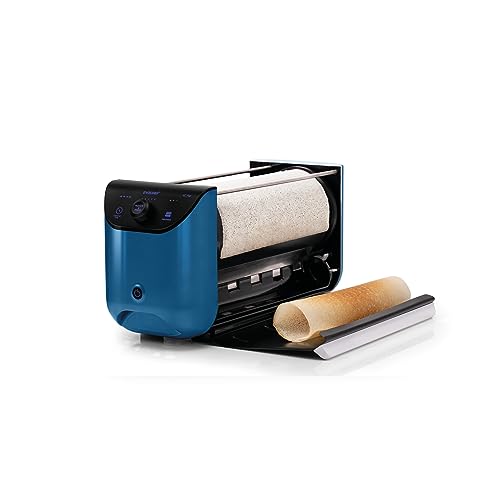
EVOCHEF EC Flip Automatic Dosa Maker
- ● Automatic roller technology
- ● 1600W powerful heating
- ● Touch controls with timer
- ● Thickness control settings
- ● Compact vertical design
- ● 1-year warranty
- + Innovative automatic technology
- + no manual spreading needed
- + compact vertical design
- + modern touch controls
- + good for thin crepes
- - CRITICAL: Only makes paper-thin dosas (15-17g batter max)
- - actual cooking time 3-5 minutes not 1 minute
- - quality control issues reported
- - NO returns/refunds policy
- - very expensive
- - not suitable for traditional thick dosas
Which electric dosa maker to buy
Here is who each pick is for, based on the comparison above.
Glen SA-3038 Electric Dosa Maker · ₹2,295
1000W, 30cm plate, 2yr warranty
Check Price on Amazon →ELMVIA Electric Crepe Maker · ₹1,999
Auto shut-off, graphite coating
Check Price on Amazon →Olpad Electric Crepe Maker · ₹1,400
Dip-style, ultra-thin dosas
Check Price on Amazon →COLBEX Electric Griddle · ₹1,299
900W, includes batter spreader
Check Price on Amazon →Choosing an electric dosa maker
-
Traditional vs Dip-Style vs Automatic Dosa Makers
Traditional plate-style (Glen, ELMVIA) - spread batter with wooden spatula on hot flat plate. Best for control and traditional dosas. Dip-style (Olpad) - dip inverted hot plate into batter bowl, makes ultra-thin crepe-style dosas. Requires practice. Automatic (EVOCHEF) - roller automatically spreads batter. Innovative but limited to very thin dosas only. For traditional South Indian dosas, choose plate-style. -
Power and Heating Speed
800-900W: Budget models, slower heating (5-7 minutes), suitable for occasional use. 1000W: Standard models (Glen, ELMVIA), faster heating (3-4 minutes), ideal for daily use. 1200W+: Premium automatic models, fastest heating but may not cook better dosas. For Indian households making 4-6 dosas daily, 1000W is the sweet spot for speed and electricity consumption. -
Plate Size and Capacity
25-28cm: Compact models, makes 1 medium dosa. Good for singles/couples, limited counter space. 30cm: Standard size (Glen), makes 1 large dosa or 2 small ones. Best for families. 32cm+: Extra large, ideal for making multiple dosas simultaneously. Consider your family size - 4+ people need 30cm minimum for efficiency. -
Non-Stick Coating Types
Regular Non-Stick: Standard Teflon-like coating, works well initially, may wear over 1-2 years. Graphite Coating (ELMVIA): Healthier alternative, more durable, better heat distribution, slightly higher price. Ceramic Coating: Rare in this category, eco-friendly but requires careful handling. For daily use and health concerns, graphite coating offers best balance of durability and safety. -
Temperature Control Importance
Fixed Temperature: Budget models, no control, may overheat dosas. Not recommended. Adjustable Dial (Glen, ELMVIA): Choose temperature for different batters (rice, wheat, ragi). Essential for versatility. Digital Controls (EVOCHEF): Precise settings but not necessary for good dosas. Manual dial control is sufficient and more reliable for most users. -
Safety Features to Look For
Cool-touch handles: Prevents burns when moving the unit. Power indicator lights: Shows when unit is heating (essential). Auto shut-off (ELMVIA): Turns off after idle time, prevents accidents. Temperature cut-off: Prevents overheating damage. Heat-resistant feet: Protects countertop. For households with children or elderly, auto shut-off is highly recommended safety feature. -
Warranty and Service Network
Glen: 2-year warranty, established service network across India, widely available spare parts. ELMVIA/Olpad/COLBEX: 1-year or less, newer brands, service may be challenging. EVOCHEF: 1-year warranty but NO returns/refunds policy (major red flag). Choose brands with at least 1-year warranty and Amazon verified seller for better after-sales support.
Frequently asked questions
What is the best electric dosa makers in India?
Are electric dosa makers better than traditional tawa on gas stove?
Can electric dosa makers make traditional thick South Indian dosas?
How long does it take to make one dosa on an electric maker?
Which plate size should I choose - 28cm or 30cm?
Do I need adjustable temperature control or is fixed temperature fine?
How long do non-stick coatings last on electric dosa makers?
Can I use electric dosa maker for other dishes besides dosas?
What's the electricity consumption of electric dosa makers?
Why is EVOCHEF automatic dosa maker not recommended despite being innovative?
What warranty and service network should I look for?
You may also like
More guides and reviews to help you decide.
Find the best sandwich toasters in India 2026. Compare Prestige, Havells, Russell Hobbs, Borosil & more from ₹1,098 to ₹2,199 for quick breakfasts and snacks.
Read more →Find the best electric tandoor pizza maker in India 2026. Research-based reviews with detailed comparisons, prices, pros & cons to help you pick the right one.
Read more →Find the best roti maker in India 2026. Compare Bajaj, Prestige & more with research-based reviews, prices & pros and cons.
Read more →Find the best waffle makers in India 2026. Compare Borosil, Prestige, Lifelong & more from ₹1,400 to ₹2,999 for perfect breakfast waffles.
Read more →