PRODUCT REVIEW
Best Facial Steamers in India 2026
Compare the best facial steamers in India 2026 — nano-ionic, UV-sterilising and metal-tank picks rated on steam output, runtime, safety.
 By Naveen Bhavnani
Updated
By Naveen Bhavnani
Updated
As an Amazon Associate we earn from qualifying purchases. We could also earn a fee through some links when you click on them.
Facial steamer picks by runtime
Already covered the winner above — here are the picks for specific needs.

CARESMITH Bloom 2-in-1 Face Steamer
HealthSense Nano-Cure FS550 Facial Steamer

AGARO Facial Steamer FS2117
Facial steamers compared on tank
How the shortlist stacks up. Scroll sideways on mobile.
| WWCD Score | Product | Wattage | Tank | Heat-up | Runtime | Weight | Key Tech | Rating | Reviews | Price | Deal |
|---|---|---|---|---|---|---|---|---|---|---|---|
| 9.0/10 | MEDTECH Aquamist | 300W | N/A | N/A | 18 min | 400g | Anti-Spill, Anti-Topple | 4.7 | 17 | ₹1,899 | Check Price |
| 8.9/10 | CARESMITH Bloom | 430W | 170ml | 80 sec | 16 min | 789g | Anti-Splash, Aroma Chamber | 4.4 | 843 | ₹1,799 | Check Price |
| 8.8/10 | HealthSense FS550 | 280W | 200ml | 50 sec | N/A | 850g | Nano-Ionic, UV | 4.3 | 15,241 | ₹1,799 | Check Price |
| 8.7/10 | AGARO FS2117 | N/A | 100ml | 30 sec | 15 min | 588g | Nano-Ionic, UV, Ceramic PTC | 4.0 | 1,670 | ₹1,595 | Check Price |
| 8.6/10 | Newnik V108 | 120W | 50ml | N/A | N/A | 754g | Metal Container, 2 Heat Levels | 4.1 | 4,761 | ₹1,882 | Check Price |
| 8.5/10 | Olkino | N/A | 100ml | 50 sec | 8-10 min | 780g | Nano-Ionic, UV | 4.3 | 333 | ₹1,659 | Check Price |
| 8.5/10 | Dr Trust 3-in-1 | N/A | 225ml | N/A | 40 min | 1000g | Nano-Atomization, Towel Warmer | 4.1 | 10,112 | ₹1,799 | Check Price |
| 8.5/10 | AGARO Prima | N/A | N/A | N/A | N/A | 1000g | UV Ozone, 2-in-1 Hair+Face | 4.3 | 176 | ₹3,999 | Check Price |
| 8.5/10 | MEDTECH VAP-100 | N/A | 100ml | 30 sec | N/A | 600g | Nano-Ionic, UV | 4.1 | 1,143 | ₹1,749 | Check Price |
| 8.4/10 | Labros | N/A | N/A | N/A | N/A | 400g | 360-degree Nozzle, Herbal Basket | 4.0 | 283 | ₹1,691 | Check Price |


Facial steamer reviews: steam output, runtime and safety
Specs, the honest pros and cons, and who each one is for.
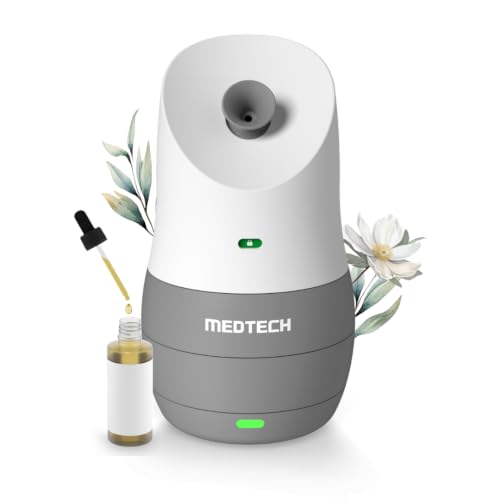
MEDTECH Aquamist 3-in-1 Face Steamer
The safest smartest facial steamer from India's trusted medical brand
- Wattage
- 300 Watts
- Runtime
- 18 minutes
- Weight
- 400 g
- Key Technology
- Anti-Spill, Anti-Topple, Cool-Touch
- Country of Origin
- India
- Warranty
- 1 Year
MEDTECH Aquamist leads on safety with its unique anti-spill, anti-topple and cool-touch design — features no other steamer in this price range offers. The 300W output and 18-minute runtime are best-in-class for compact steamers. The only caveat: it's very new with just 17 ratings, so long-term reliability is yet to be proven at scale.
- + Class-leading safety with anti-spill and anti-topple design
- + Longest 18-minute runtime among compact steamers
- + Lightest in its class at just 400 grams
- + Strong 300W output for consistent steam
- + Made in India with a 1-year warranty
- + Adjustable nozzle for targeted facial or nasal steaming
- - Very new with only 17 ratings so durability is unproven
- - No UV sterilization unlike some rivals
- - No nano-ionic technology claimed
- - Tank capacity not listed in specs
CARESMITH Bloom 2-in-1 Face Steamer
The powerhouse steamer with the biggest tank and a built-in aroma chamber
- Wattage
- 430 Watts
- Tank Capacity
- 170 ml
- Runtime
- 16 minutes
- Heat-up Time
- 80 seconds
- Weight
- 789 g
- Key Technology
- Anti-Splash, Aroma Chamber
- Warranty
- 1 Year
CARESMITH Bloom leads on raw power (430W) and capacity (170ml, 16-minute runtime) — two specs that matter most for facial steaming. The dedicated aroma chamber is a thoughtful touch. Its 4.4-star rating from 843 reviews adds confidence, though the lack of a water-level indicator and occasional durability complaints keep it just behind the top spot.
- + Highest 430W power for fast powerful steam
- + Large 170ml tank delivers 16 minutes of steam
- + Dedicated reusable aroma chamber for balms and oils
- + Anti-splash nozzle prevents hot-water sprinkling
- + Heats up in just 80 seconds
- + Strong 4.4-star rating from 843 buyers
- - No visible water-level indicator
- - A minority report units failing after 2-3 months
- - Warranty registration process is cumbersome
- - No UV sterilization
- - No nano-ionic technology
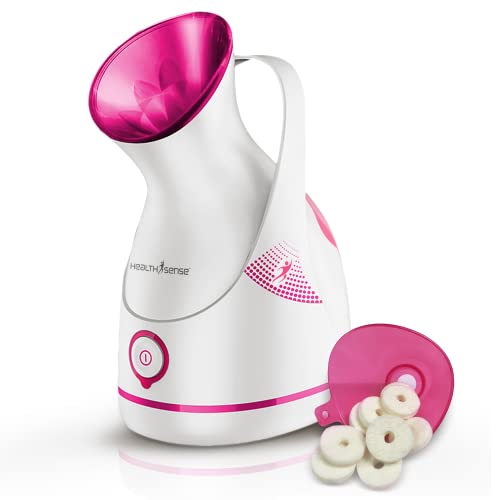
HealthSense Nano-Cure FS550 Facial Steamer
India's most-trusted facial steamer with nano-ionic precision and UV hygiene
- Wattage
- 280 Watts
- Tank Capacity
- 200 ml
- Heat-up Time
- 50 seconds
- Weight
- 850 g
- Key Technology
- Nano-Ionic, UV Sterilization
- Country of Origin
- China
- Warranty
- 1 Year
The HealthSense FS550 is the most battle-tested facial steamer on Amazon.in — 15,241 ratings at 4.3 stars speak for themselves. Nano-ionic steam combined with UV sterilization delivers genuinely hygienic, skin-penetrating steam. The 200ml tank and 50-second heat-up make daily use convenient. Minor annoyances like the fixed nozzle angle and occasional plastic smell keep it from the top spot.
- + Most-reviewed facial steamer on Amazon.in with over 15000 ratings
- + Nano-ionic steam for finer deeper-penetrating particles
- + UV sterilization for hygienic germ-free steam
- + 200ml tank is second-largest among nano-ionic picks
- + Fast 50-second heat-up
- + Includes aroma tray and 10 cotton pads
- - Plastic smell reported during initial uses
- - Fixed nozzle angle is awkward for tabletop use
- - No steam temperature control
- - Some durability complaints after extended use
- - No anti-spill or anti-topple design
AGARO Facial Steamer FS2117
The most affordable nano-ionic steamer with the fastest heat-up in its class
- Tank Capacity
- 100 ml
- Heat-up Time
- 30 seconds
- Runtime
- 15 minutes
- Weight
- 588 g
- Key Technology
- Nano-Ionic, UV, Ceramic PTC
- Colour
- Rose Gold
- Warranty
- 1 Year
The AGARO FS2117 packs nano-ionic steam, UV sterilization and ceramic PTC heating into the most affordable package at ₹1,595. Its 30-second heat-up is the fastest, and the child-friendly steam temperature makes it ideal for families. Some QC hiccups bring it down, but AGARO's responsive after-sales team mitigates the risk.
- + Most affordable nano-ionic steamer at ₹1595
- + Fastest 30-second heat-up with ceramic PTC
- + Child-friendly steam temperature
- + Lightest nano-ionic pick at 588 grams
- + Responsive AGARO after-sales support
- + Elegant rose-gold design
- - Water leakage from the base reported by several buyers
- - Inconsistent QC with missing or scratched parts
- - Smaller 100ml tank gives about 15-minute runtime
- - 4.0-star rating is the lowest among our picks
- - A few units stop working within weeks
Newnik V108 Steam Inhaler & Vaporizer
The only facial steamer with a metal container for pure plastic-free steam
- Wattage
- 120 Watts
- Tank Capacity
- 50 ml
- Weight
- 754 g
- Material
- ABS body, Metal water container
- Key Technology
- Metal Container, 2 Heat Levels
- Country of Origin
- India
- Warranty
- 1 Year
Newnik V108 stands alone with its metal water container — the only steamer where no plastic touches hot water. If microplastic concerns or plastic smell bother you, this is your pick. The trade-off is real: 120W power and a 50ml tank mean modest steam output. It's better as a cold/cough vaporizer than a dedicated facial steamer, but the safety angle is unmatched.
- + Only steamer with a metal water container
- + Zero plastic smell or microplastic risk
- + Two adjustable heat levels
- + Auto power-off when water depletes
- + Works with both tap and RO water
- + Most complete accessory set with nasal and facial masks
- + Made in India with 1-year warranty
- - Low 120W output is the weakest steam in the category
- - Tiny 50ml tank needs frequent refilling
- - No nano-ionic or UV sterilization
- - Pricey at ₹1882 for basic specs
- - Better for cold and cough relief than facial steaming
Olkino Nano-Ionic Facial Steamer
Compact nano-ionic steamer with UV hygiene at a wallet-friendly price
- Tank Capacity
- 100 ml
- Heat-up Time
- 50 seconds
- Runtime
- 8-10 minutes
- Weight
- 780 g
- Key Technology
- Nano-Ionic, UV Sterilization
- Country of Origin
- India
- Warranty
- 1 Year (RO/filter water only)
Olkino delivers nano-ionic steam with UV sterilization at a competitive price point. The handled design is practical for storage. However, the 8-minute runtime is the shortest in the category, and the strict RO/filter water requirement (or warranty voids) is unusual. A solid mid-range pick if short sessions are fine for your routine.
- + Nano-ionic plus UV at a competitive ₹1659
- + Made in India with a handy carry design
- + Quick 50-second heat-up
- + Aroma tray and 10 cotton pads included
- + 4.3-star rating from 333 buyers
- - Shortest 8-10 minute runtime in the category
- - No steam-flow control so it's always full blast
- - Warranty voids if tap water is used
- - Plastic smell reported by some users
- - Small 100ml tank and low height require bending
Dr Trust USA 3-in-1 Nano Ionic Facial Steamer
The most versatile steamer with the biggest tank and a built-in towel warmer
- Tank Capacity
- 225 ml
- Runtime
- 40 minutes
- Weight
- 1000 g
- Key Technology
- Nano-Atomization, Towel Warmer, Humidifier
- Country of Origin
- India
- Warranty
- 1 Year
Dr Trust offers unmatched versatility — it's a facial steamer, towel warmer and humidifier in one device with the largest 225ml tank and 40-minute runtime. On paper, it's phenomenal. In practice, widespread plastic quality complaints and a declining review trend pull it down. If you get a good unit, you'll love it. The after-sales gamble is the real risk.
- + Largest 225ml tank for up to 40 minutes of steam
- + 3-in-1 facial steamer towel warmer and humidifier
- + Built-in towel-warming chamber is unique
- + Hollow design lets you add herbs or oils
- + Over 10000 reviews on Amazon.in
- + Made in India
- - Poorest plastic quality with cracking and burning smell widely reported
- - Heaviest and bulkiest at 1000g
- - Poor after-sales with a single service centre
- - No UV sterilization
- - No temperature control
- - Declining recent review trend
AGARO Prima 2-in-1 Hair and Face Steamer
The only hair-and-face steamer combo with salon-grade UV Ozone
- Weight
- 1000 g
- Dimensions
- 15 x 15 x 35 cm
- Key Technology
- UV Ozone, 2-in-1 Hair + Face
- Country of Origin
- China
- Warranty
- 1 Year
AGARO Prima is the pick for users who want both facial steaming and hair treatment in one device. The UV Ozone feature adds genuine value. At ₹3,999, you're paying a hefty premium — justified only if you'll use both functions. AGARO's strong after-sales support helps offset the button quality concerns.
- + Only 2-in-1 hair-and-face steamer in this segment
- + UV Ozone sterilization for hygienic steam
- + Good AGARO after-sales support
- + Doubles as a room humidifier
- + 4.3-star rating from a reputable brand
- - Expensive at ₹3999 which is roughly twice most rivals
- - Button quality issues reported over time
- - Fixed nozzle that doesn't rotate up or down
- - Low steam pressure noted by some users
- - Heavy at 1000g so not portable
MEDTECH Facial Steamer VAP-100
Fast-heating nano-ionic steamer from India's medical device brand
- Tank Capacity
- 100 ml
- Heat-up Time
- 30 seconds
- Weight
- 600 g
- Key Technology
- Nano-Ionic, UV, Auto Shut-Off
- Country of Origin
- India
- Warranty
- 1 Year
MEDTECH VAP-100 has solid specs on paper — nano-ionic, UV, 30-second heat-up, Made in India. But recurring water leakage complaints and poor customer service responses undermine its promise. The newer Aquamist (ranked #1) appears to address these exact issues with anti-spill and anti-topple design, making this older model harder to recommend.
- + Fast 30-second heat-up with nano-ionic steam
- + UV sterilization for hygienic output
- + Lightweight at 600 grams
- + Made in India with auto shut-off
- + Compact design for daily use
- - Water leakage from the base reported repeatedly
- - Poor customer service and slow warranty claims
- - Low steam flow noted by some users
- - A sparking incident was reported
- - Missing accessories in some deliveries
Labros Facial Steamer for Face
The only facial steamer with a 360-degree swivel nozzle and herbal aromatherapy
- Weight
- 400 g
- Dimensions
- 21.6 x 14.6 x 17.1 cm
- Key Technology
- 360-degree Nozzle, Herbal Basket
- Country of Origin
- China
- Warranty
- Not specified
Labros stands out with its 360-degree rotatable nozzle — you can steam lying down, sitting or standing. The built-in herbal basket and aromatherapy box add a spa touch. However, build quality is its Achilles heel: loose knobs, steam leakage and short lifespan push it to the bottom of our list. Worth considering if the swivel nozzle is non-negotiable.
- + Only steamer with a 360-degree rotatable nozzle
- + Built-in herbal and floral basket for dried flowers
- + Aromatherapy box for essential oils
- + Ultra-light at just 400 grams
- + Gentle steam that's safe for kids
- - Nozzle knob becomes loose and wobbly with use
- - Steam leakage from the joints reported
- - Poor durability with some units failing in 5 months
- - Wattage and tank capacity not listed
- - No UV or nano-ionic technology
- - Lesser-known brand with limited warranty support
Which facial steamer to buy
Ten steamers tested on steam quality, build, ease of use, safety and value — here are the four worth your money for most Indian homes.
MEDTECH Aquamist 3-in-1 · ₹1,899
Buy this if safety and ease of handling top your list — the anti-topple, cool-touch design is unmatched and the runtime is best-in-class.
Check Price on Amazon →CARESMITH Bloom 2-in-1 · ₹1,799
The most power and the biggest tank for the money, with a reusable aroma chamber for long relaxed sessions.
Check Price on Amazon →HealthSense Nano-Cure FS550 · ₹1,799
The safest bet on track record — nano-ionic plus UV, validated by over 15,000 ratings on Amazon.in.
Check Price on Amazon →AGARO FS2117 · ₹1,595
The cheapest route to nano-ionic + UV, with the fastest heat-up and gentle child-safe steam for families.
Check Price on Amazon →How to choose a facial steamer
-
Nano-Ionic vs Regular Steam: Does It Actually Matter?
Nano-ionic steamers use ultrasonic vaporization to produce finer steam particles with negative ions. The claim is that these smaller particles penetrate skin up to 10x more effectively than regular steam. While clinical evidence is limited, the practical difference is noticeable: nano-ionic steam feels gentler, less scalding, and more comfortable for extended facial sessions. If facial skincare is your primary use case, prioritize a nano-ionic steamer. For cold/cough inhalation, regular steam works just as well. -
Tank Capacity and Runtime: How Much Do You Need?
Facial steaming sessions typically last 10-15 minutes. Tank capacities range from 50ml (Newnik V108, ~5 min) to 225ml (Dr Trust, ~40 min). For facial use, 100-170ml is the sweet spot — enough for a full session without the bulk of a large unit. If you plan to use it as a room humidifier or for longer cold/cough sessions, a 200ml+ tank is worthwhile. Remember: larger tanks mean heavier devices and longer heat-up times. -
UV Sterilization: Worth Paying For?
Several steamers now include UV lamps that sterilize the steam before it reaches your face. This kills bacteria and pathogens in the water, reducing the risk of skin irritation or breakouts from contaminated steam. If you use tap water or share the steamer with family members, UV sterilization adds a genuine hygiene layer. Not all UV claims are equal though — look for specific UV-C mentions rather than vague UV branding. -
The Plastic Smell Problem: What Causes It and How to Fix It
Plastic smell is the most common complaint across all facial steamers. It's caused by ABS plastic off-gassing when heated for the first time. To minimize it: (1) Run the steamer with plain water for 2-3 cycles before first use, (2) Add a few drops of lemon juice to the water during the first run, (3) Let it cool completely and air out between sessions. If the smell persists after 4-5 uses, consider the Newnik V108 — its metal water container eliminates plastic-heating contact entirely. -
Water Type Matters: Tap, RO, or Distilled?
Different steamers require different water types, and using the wrong one can void your warranty or damage the unit. Most nano-ionic steamers work best with RO/filtered or distilled water — mineral buildup from hard tap water can clog the ultrasonic element. Traditional vaporizers (Newnik, Asbob-type) work fine with tap water since they boil water in a metal container. Always check your steamer's manual. Pro tip: if your area has very hard water (high TDS), use RO water regardless of what the manual says. -
Safety Features to Look For
At minimum, your steamer should have auto shut-off when water runs out — this prevents the heating element from burning out or causing a fire hazard. Beyond that, look for: anti-spill design (prevents hot water from splashing if knocked), cool-touch exterior (safe for households with children), and secure locking mechanisms. The MEDTECH Aquamist leads on safety with anti-topple and anti-spill design. If you have young children, also consider steamers with lower steam temperatures — AGARO FS2117 is noted for child-friendly steam.
Frequently asked questions
What is the best facial steamer in India?
Which is the best facial steamer for daily use in India?
How often should I use a facial steamer?
What is nano ionic technology and why does it matter?
Is UV sterilization important in facial steamers?
Is nano-ionic steam safe for sensitive skin?
Can I use tap water or should I use distilled water?
Should I steam before or after cleansing my face?
Can I add essential oils to the water tank?
Why does my steamer smell like burning plastic?
Can I use a facial steamer for cold and cough relief?
What is the difference between a facial steamer and a regular vaporizer?
How do I maintain and clean my facial steamer?
What distance should I maintain from the steamer?
How long do facial steamers typically last?
Which facial steamer has the best warranty and after-sales support?
You may also like
More guides and reviews to help you decide.
Find the best hair dryer in India for 2026 across every budget. Compare BLDC and AC dryers from Portronics, Philips, Dreame and more on real owner reviews.
Read more →Find the best epilator for women in India 2026. WOMENHOOD, PROTOUCH and Winston compared with research-based reviews, prices, pros and cons.
Read more →Find the best premium hair dryer in India 2026. Compare Panasonic, Philips, Dyson, Panasonic with research-based reviews, prices, pros & cons.
Read more →7 best derma rollers in India 2026 compared — Man Matters 0.5mm (WWCD winner, 9,518 ratings), McFarlane budget pick, MORTON DAVIES adjustable stamp.
Read more →Complete hair dryer buying guide for India. Learn about wattage, BLDC motors, ionic technology, heat settings & find the perfect hair dryer for your hair type.
Read more →Find the best facial cleansing brush in India 2026. Research-based reviews with detailed comparisons, prices, pros & cons to help you pick the right one.
Read more →