
PRODUCT REVIEW
Best Acoustic and Classical Guitars in India 2026
Find the best guitar in India 2026. Research-based reviews with detailed comparisons, prices, pros & cons to help you pick the right one.
 By Naveen Bhavnani
Updated
By Naveen Bhavnani
Updated
As an Amazon Associate we earn from qualifying purchases. We could also earn a fee through some links when you click on them.

Guitar picks by style and budget
Already covered the winner above — here are the picks for specific needs.
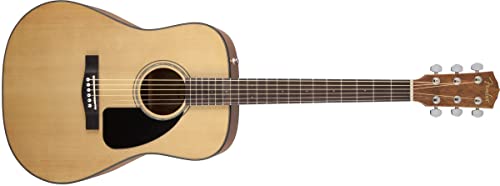
Fender CD-60 V3 Dreadnought

Yamaha F280 Acoustic Guitar

Yamaha C40 Classical Guitar
Guitars compared on price and spec
How the shortlist stacks up. Scroll sideways on mobile.
| WWCD Score | Product | Key Feature | Price | Deal |
|---|---|---|---|---|
| 8.9/10 | Yamaha Pacifica 112J | Alder body, 5-position switch | ₹22,990 | Check Price |
| 8.8/10 | Yamaha Pacifica 012 | HSS pickups, vintage tremolo | ₹19,990 | Check Price |
| 8.7/10 | Yamaha C40 Classical | Nylon strings, 22.8" scale | ₹8,287 | Check Price |
| 8.6/10 | Fender CD-60 V3 | Scalloped X-bracing, Fender quality | ₹12,999 | Check Price |
| 8.5/10 | Yamaha F280 | Spruce top, excellent value | ₹7,372 | Check Price |
| 8.4/10 | Yamaha FS80C | Concert cutaway, slim neck | ₹8,191 | Check Price |
| 8.4/10 | Fender Squier Sonic Stratocaster HSS | Lightweight body, HSS pickups | ₹16,100 | Check Price |
| 8.3/10 | Cort AD810 | Mahogany back, dovetail joint | ₹9,200 | Check Price |
| 7.8/10 | Kadence Frontier Series | Complete starter package | ₹5,699 | Check Price |


Guitar reviews: sound, comfort and value
Specs, the honest pros and cons, and who each one is for.
Kadence Frontier Series Acoustic Guitar
- Type
- Acoustic, cutaway
- Body
- 40" dreadnought
- Fingerboard
- Rosewood
- Bridge
- Rosewood
- Finish
- High gloss
- Truss Rod
- Adjustable
- Includes
- Bag, strap, picks
The Kadence Frontier Series is the most affordable complete starter package for absolute beginners. At ₹5,699, it includes everything you need to start playing: guitar bag, strap, extra strings, and picks. The 40-inch dreadnought body with cutaway design provides decent projection and upper fret access. Features adjustable truss rod for action adjustment and bronze-coated rust-resistant strings that last longer in Indian climate.
- + Most affordable complete package
- + includes all essential accessories
- + good beginner value
- + suitable for 10+ years old
- + adjustable action via truss rod
- + decent sound quality for price point
- - Quality control issues reported - some units arrive with defects
- - not suitable for serious musicians
- - tuning stability below premium brands
- - requires setup adjustments out of box
Yamaha F280 Acoustic Guitar
- Type
- Acoustic
- Body
- Full dreadnought
- Top
- Spruce
- Back & Sides
- Meranti
- Fingerboard
- Rosewood
- Finish
- Natural
The Yamaha F280 represents exceptional value with legendary Yamaha build quality at an affordable price. Featuring a spruce top for bright, clear tones and meranti back/sides for warmth, this dreadnought delivers professional sound quality. The rosewood fingerboard ensures smooth playability, while the natural finish enhances resonance. Built to last with minimal maintenance, it's the perfect long-term investment for serious learners. Yamaha's extensive service network across India ensures easy repairs and maintenance.
- + Exceptional Yamaha build quality
- + superior sound for price
- + comfortable neck profile
- + durable construction
- + low maintenance
- + reliable tuning stability
- + great value
- - Price higher than budget brands
- - minimal accessories included
- - may need professional setup for optimal action
Yamaha C40 Classical Guitar
- Type
- Classical
- Strings
- Nylon
- Top
- Spruce
- Back & Sides
- Meranti
- Scale
- 22.8 inches
- Body
- Classical shape
The Yamaha C40 is the world's most recommended classical guitar for beginners, trusted by guitar teachers globally. Its soft nylon strings are gentle on fingers, making it perfect for absolute beginners with no calluses. The compact 22.8-inch scale length is comfortable for smaller hands and younger players. Delivers a warm, balanced tone ideal for classical music, flamenco, and fingerstyle playing. Built with Yamaha's legendary craftsmanship for long-lasting durability and stable tuning.
- + Soft nylon strings ideal for beginners
- + excellent Yamaha quality and reliability
- + balanced warm tone
- + recommended by teachers worldwide
- + great for classical music
- + comfortable for smaller hands
- - Nylon strings not suitable for strumming pop/rock
- - smaller body produces less volume than dreadnought
- - requires frequent string changes initially
Yamaha FS80C Acoustic Guitar
- Type
- Acoustic, cutaway
- Body
- Concert size
- Top
- Spruce
- Neck
- Slim profile
- Action
- Low
- Finish
- Natural matte
The Yamaha FS80C features a compact concert-size body that's comfortable for beginners and smaller-framed players. The cutaway design provides easy access to upper frets for lead playing and solos. Slim neck profile with low string action reduces finger strain, making it easier to press strings. Spruce top delivers bright, balanced sound with strong projection despite the smaller body. Natural matte finish enhances resonance while Yamaha's solid construction ensures stable tuning and long-term durability.
- + Compact concert size comfortable for beginners
- + cutaway design for upper fret access
- + bright balanced sound with strong projection
- + slim neck reduces finger strain
- + Yamaha craftsmanship
- + stable tuning
- - Smaller body than dreadnought
- - slightly higher price point
- - limited to concert-size body shape
Cort AD810 Dreadnought Acoustic
- Type
- Acoustic
- Body
- Dreadnought
- Top
- Spruce
- Back & Sides
- Mahogany
- Fingerboard
- Rosewood
- Neck Joint
- Dovetail
- Tuners
- Chrome die-cast
- Finish
- Black satin
The Cort AD810 is often called "the best entry-level acoustic guitar in India today" for good reason. It features spruce top with mahogany back and sides—a premium tonewood combination that delivers warm, balanced sound. The dovetail neck joint (found in expensive guitars) provides superior stability and sustain. Chrome die-cast tuners ensure excellent tuning stability. Rosewood fretboard and bridge add warmth to the tone. At ₹9,200, it offers exceptional value for money with quality comparable to guitars costing thousands more.
- + Excellent value for money
- + well-made construction
- + versatile for multiple genres
- + good projection and volume
- + dovetail neck joint for durability
- + suitable for beginners and intermediate
- - Quality control can vary between units
- - service network limited compared to Yamaha
- - finish quality may have minor imperfections
Fender CD-60 V3 Dreadnought
- Type
- Acoustic
- Body
- Dreadnought
- Top
- Spruce, X-bracing
- Back & Sides
- Laminated mahogany
- Fingerboard
- Walnut
- Neck
- C-shape mahogany
- Scale
- 25.3 inches
- Tuners
- Chrome die-cast
The Fender CD-60 V3 brings legendary Fender quality to acoustic guitars. The scalloped X-bracing pattern (found in high-end guitars) improves tone and projection significantly. Spruce top with laminated mahogany back and sides delivers rich, balanced sound. Comfortable C-shape mahogany neck is perfect for long practice sessions. Chrome die-cast tuning machines ensure stable tuning. Natural gloss finish looks premium and enhances acoustic resonance. This is a long-term investment guitar that will serve you for years as you progress from beginner to intermediate and beyond.
- + Legendary Fender brand quality
- + scalloped bracing improves tone
- + excellent dreadnought projection
- + comfortable C-shape neck
- + natural gloss finish
- + good build quality
- + trusted brand
- - Higher price point
- - laminated back/sides vs solid wood
- - heavier than some competitors
- - limited color options
Fender Squier Sonic Stratocaster HSS
- Type
- Electric
- Body
- Solid, lightweight
- Pickups
- HSS
- Bridge
- 6-saddle tremolo
- Fingerboard
- Maple
- Tuners
- Sealed-gear
- Hardware
- Chrome
The Fender Squier Sonic Stratocaster HSS brings the iconic Stratocaster design to beginners at an affordable price. The HSS pickup configuration (humbucker at bridge, two single-coils at middle/neck) provides versatile tones for rock, blues, jazz, and metal. Thin, lightweight body is comfortable for long practice sessions. The 6-saddle tremolo bridge adds vibrato effects for expressive playing. Maple fingerboard offers smooth playability. Chrome hardware and sealed-gear tuners ensure reliable performance. This is your entry into the legendary Fender electric guitar world.
- + Affordable Fender electric guitar
- + versatile HSS pickups for multiple tones
- + lightweight body comfortable for beginners
- + tremolo bridge for vibrato effects
- + iconic Stratocaster design
- + reliable hardware
- - Requires amplifier (additional cost)
- - heavier gauge strings need finger strength
- - tremolo may go out of tune frequently
- - entry-level pickups
Yamaha Pacifica 012 Electric Guitar
- Type
- Electric
- Body
- Double-cutaway
- Pickups
- HSS
- Neck
- Maple
- Fingerboard
- Rosewood
- Bridge
- Vintage tremolo
- Finish
- Glossy black
The Yamaha Pacifica 012 is the best entry-level electric guitar from Yamaha, trusted by guitar teachers worldwide. The HSS pickup configuration delivers versatile tones covering rock, blues, jazz, and pop. Smooth maple neck with rosewood fingerboard ensures comfortable playability for beginners. Classic Strat-style double-cutaway body provides easy upper fret access. Vintage-style tremolo bridge adds expressive vibrato to your playing. Sleek glossy black finish looks professional on stage. Built with Yamaha's legendary craftsmanship for reliable performance and durability.
- + Excellent entry-level electric from Yamaha
- + versatile HSS pickups cover rock/blues/jazz/pop
- + smooth maple neck
- + vintage tremolo for expression
- + sleek design
- + reliable Yamaha craftsmanship
- + comfortable playability
- - Requires amplifier purchase
- - higher price for beginners
- - black finish shows fingerprints
- - tremolo tuning maintenance needed
Yamaha Pacifica 112J Electric Guitar
- Type
- Electric
- Body
- Alder
- Neck
- Maple, bolt-on
- Fingerboard
- Rosewood, 22 frets
- Bridge
- Vintage tremolo
- Selector
- 5-position
- Finish
- Natural
The Yamaha Pacifica 112J is the premium model in the Pacifica series, featuring an alder body that delivers superior balanced tone compared to cheaper woods. Upgraded pickups over the 012 model provide richer, more defined sound. Smooth rosewood fingerboard with 22 frets offers excellent playability for lead and rhythm playing. 5-position pickup selector gives you maximum tonal versatility. Vintage tremolo bridge is well-balanced for stable tuning. Natural finish showcases the beautiful wood grain. This is a long-term investment guitar that serves beginners through intermediate and even advanced levels—guitar teachers recommend this as the "buy it for life" electric guitar.
- + Premium alder body delivers superior tone
- + upgraded pickups over 012 model
- + smooth rosewood fingerboard
- + excellent build quality
- + versatile 5-position switching
- + recommended by guitar teachers
- + long-term reliability
- - Highest price point in this list
- - requires amplifier
- - natural finish may show wear over time
- - premium features may be underutilized by beginners
Which guitar to buy
Here is who each pick is for, based on the comparison above.
Fender CD-60 V3 Dreadnought · ₹12,999
Legendary Fender quality, scalloped bracing
Check Price on Amazon →Yamaha F280 Acoustic Guitar · ₹7,372
Excellent Yamaha quality, great for beginners
Check Price on Amazon →Yamaha C40 Classical Guitar · ₹8,287
Soft nylon strings, perfect for beginners
Check Price on Amazon →Kadence Frontier Series Acoustic Guitar · ₹5,699
Complete starter package, includes accessories
Check Price on Amazon →How to choose a guitar: acoustic vs classical
-
Acoustic vs Electric vs Classical - Which Should You Choose?
Acoustic guitars have steel strings, produce sound naturally without amplification, ideal for Bollywood songs, campfire playing. Electric guitars need amplifier, easier on fingers with lighter strings, versatile for rock/blues/metal. Classical guitars use soft nylon strings, wider neck, perfect for beginners with sensitive fingers, classical music, fingerstyle. For absolute beginners: Classical (easiest on fingers) or Acoustic (most versatile). For rock/blues aspirants: Electric guitar. Budget plays role - acoustics are complete instruments, electrics need amp (₹3,000-10,000 extra). -
Body Shapes Explained - Dreadnought, Concert, Classical
Dreadnought (Yamaha F280, Fender CD-60): Largest acoustic body, loud projection, bass-heavy tone, ideal for strumming. Most popular choice. Concert (Yamaha FS80C): Smaller body, comfortable for beginners, balanced tone, good for fingerstyle. Classical: Wide flat neck, nylon strings, traditional Spanish guitar design. Stratocaster (Electric): Double cutaway solid body, versatile pickup options. Choose dreadnought for volume and versatility, concert for comfort, classical for soft nylon strings, electric for rock/blues. -
Tonewood Guide - Spruce, Mahogany, Rosewood
Spruce Top (Most Common): Bright, clear tone with excellent projection. Found in Yamaha F280, Cort AD810, Fender CD-60. Ages beautifully - tone improves over time. Mahogany Back/Sides: Warm, mellow tone with strong mid-range. Reduces brightness. Rosewood Fingerboard: Smooth playability, durable, standard choice. Adds warmth to tone. Alder Body (Yamaha Pacifica 112J): Balanced tone for electric guitars. For beginners: Spruce top is ideal - versatile, affordable, improves with age. Premium guitars use solid wood vs laminated - affects tone richness and price. -
Budget Breakdown - What to Expect at Each Price Point
Under ₹6,000 (Budget): Kadence Frontier - Complete starter package, expect QC issues, decent for first 6 months learning. ₹7,000-9,000 (Entry): Yamaha F280/C40, Cort AD810, Yamaha FS80C - Reliable brands, good build quality, suitable for 2-3 years of learning. ₹10,000-15,000 (Mid-Range): Fender CD-60 V3 - Premium acoustic with brand heritage, better tonewoods, long-term investment. ₹15,000-25,000 (Premium): Fender Squier Sonic, Yamaha Pacifica series - Quality electric guitars, requires amp (add ₹5,000-10,000). Best value: Yamaha F280 (₹7,372) or Cort AD810 (₹9,200) for acoustics. For electrics: Pacifica 012 (₹19,990) if budget permits. -
Essential Accessories You Need
For Acoustics: Guitar picks (₹100-200 for set), spare strings (₹300-600 depending on brand), guitar bag/case (₹500-2,000), tuner clip-on (₹300-800), capo (₹200-500 optional), guitar strap (₹200-500). Budget: ₹1,500-3,000 for all accessories. Kadence includes basic accessories - good value. For Electrics: Amplifier (₹3,000-10,000 essential), guitar cable (₹300-600), picks, strap, tuner. Budget minimum ₹4,000 extra for amp setup. Intermediate add-ons: Guitar stand (₹500-1,000), humidifier for acoustics (₹500-1,000), string winder (₹100-300). -
Setup and Maintenance Tips for Indian Climate
India climate challenges guitars - humidity in monsoon, dryness in summer. Store in hard case with silica gel packets during monsoon. Avoid direct sunlight and AC vents. Loosen strings slightly if not playing for weeks. Get professional setup after purchase (₹500-1,000) - adjusts action, intonation, truss rod. Change strings every 3-6 months depending on usage (sweat corrodes faster in India). Clean fretboard with lemon oil every string change. Check neck relief every 6 months - slight bow is normal. Humidifier recommended for solid wood guitars in dry climates. Budget ₹1,000-2,000 annually for maintenance. -
Brand Service Network in India
Yamaha: Best service network across India, authorized service centers in all major cities, readily available spare parts, 6-month warranty. Fender: Growing Indian presence, service centers in metros, international brand reliability. Cort: Limited service network, mostly through resellers, spare parts may take time. Kadence: Budget brand with basic after-sales support, no extensive service network. For long-term reliability: Yamaha is safest choice. Online purchases: Buy from Amazon/Flipkart for easy returns if defects. Avoid hyperlocal sellers with no return policy. Check reviews specifically mentioning "received in good condition" to gauge QC.
Frequently asked questions
What is the best guitars in India?
Which is the best guitar for absolute beginners in India?
Should I buy acoustic or electric guitar as a beginner?
Is Yamaha F280 better than Cort AD810? Which should I buy?
What accessories do I need to buy with my first guitar?
Can I learn guitar on my own using YouTube, or do I need a teacher?
Is Kadence Frontier good for beginners? Should I buy it?
What is the difference between Yamaha Pacifica 012 and 112J?
How do I maintain my guitar in India's humid climate?
Which amplifier should I buy for electric guitar?
How long does it take to learn guitar well enough to play songs?
You may also like
More guides and reviews to help you decide.
