
PRODUCT REVIEW
Best Hair Straighteners in India 2026
Compare 10 best hair straighteners in India from ₹3,145 to ₹29,852. Dyson, Remington, Philips & Ikonic tested on plate tech, damage control & value.
 By Naveen Bhavnani
Updated
By Naveen Bhavnani
Updated
As an Amazon Associate we earn from qualifying purchases. We could also earn a fee through some links when you click on them.

Straightener picks by hair type
Already covered the winner above — here are the picks for specific needs.

Dyson Corrale Cord-Free Hair Straightener

Philips BHS738/00 Kerashine Titanium Wide Plate Straightener

Remington S5525 PRO-Ceramic Extra Wide Plate Hair Straightener
Straighteners compared on plates
How the shortlist stacks up. Scroll sideways on mobile.
| WWCD Score | Product | Plate Material | Temp Range | Heat-Up | Warranty | Price | Deal |
|---|---|---|---|---|---|---|---|
| 9.7/10 | Dyson Corrale | Manganese Copper Flexing | 165/185/210°C | ~30s | 2 years | ₹29,852 | Check Price |
| 9.3/10 | Remington PROluxe S9100 | Ultimate Glide Ceramic | 150-230°C | 15s | 5 years | ₹9,459 | Check Price |
| 9.2/10 | Philips BHS738/00 | Keratin + Titanium (Wide) | 190/210°C | 60s | 2 years (Philips India) | ₹3,145 | Check Price |
| 9.2/10 | Remington S5525 | Pro Ceramic (Extra Wide) | 150-230°C | 15s | 3 years | ₹8,398 | Check Price |
| 9.1/10 | Remington S8500 | Ceramic + Micro Conditioners | 150-230°C | ~15s | 3 years | ₹6,990 | Check Price |
| 9.1/10 | Ikonic Pro Titanium 3.0 | Dual Floating Titanium | 150-230°C | Instant | 1 year | ₹6,120 | Check Price |
| 9.1/10 | Remington S7350 | Wide Ceramic + Argan Oil | 140-230°C | 15s | 5 years | ₹8,188 | Check Price |
| 9.1/10 | Remington S8540 | Keratin + Almond Oil Ceramic | 230°C max | 15s | 3 years | ₹7,138 | Check Price |
| 8.8/10 | Remington S5500 | Anti-Static Ceramic | 150-230°C | 30s | 1 year | ₹3,900 | Check Price |
| 8.8/10 | Remington S5520 | Tourmaline Ceramic | 150-230°C | ~30s | 1 year | ₹5,666 | Check Price |


Hair straightener reviews: plates, heat and warranty
Specs, the honest pros and cons, and who each one is for.
Dyson Corrale Cord-Free Hair Straightener
- Plate Type
- Manganese Copper Flexing
- Temperature
- 165/185/210°C
- Cordless
- 30 min battery
- Heat-up
- ~30 seconds
- Voltage
- Universal + flight-ready
- Warranty
- 2 years Dyson India
- + Flexing copper plates reduce breakage by 50%
- + cord-free 30-minute styling freedom
- + intelligent heat control adapts to hair type
- + universal voltage for travel
- + premium OLED display
- - Extreme price at 5x most mid-range options
- - heavier due to battery
- - battery degrades over time
- - small India review base
Remington PROluxe S9100 Hair Straightener
- Plate Type
- Ultimate Glide Ceramic
- Temperature
- 150-230°C digital
- Heat-up
- 15 seconds
- Style Hold
- 24 hours
- India Ratings
- 11,200+ (4.5★)
- Warranty
- 5 years
- + OPTIheat targets thicker sections for less damage
- + Ultimate Glide ceramic 5x smoother
- + Pro+ 185°C healthier styling
- + 50% straighter in one pass
- + 11000+ India ratings
- - Counterfeit seller reports in recent reviews
- - heavier than basic models
- - sits awkwardly between mid-range and premium pricing
Philips BHS738/00 Kerashine Titanium Wide Plate Straightener
- Plate Type
- Keratin + Titanium (Wide)
- Temperature
- 2 settings (190/210°C)
- Heat-up
- 60 seconds
- Ionic Care
- Yes
- India Ratings
- 4,651+ (4.3★)
- Warranty
- 2 years Philips India
- + Wide keratin+titanium plates for thick Indian hair
- + SilkProtect auto temperature
- + ionic frizz control
- + 2-year Philips India warranty
- + massive value under ₹3,500
- - Only 2 fixed temperature settings
- - 60-second heat-up slower than competitors
- - no digital display
- - single voltage only
Remington S5525 PRO-Ceramic Extra Wide Plate Hair Straightener
- Plate Size
- 110mm x 45mm
- Temperature
- 150-230°C digital
- Heat-up
- 15 seconds
- Temp Boost
- Yes
- India Ratings
- 5,339+ (4.6★)
- Warranty
- 3 years
- + Extra-wide 110x45mm plates ideal for long thick hair
- + fast 15-second heat-up
- + temp boost for stubborn sections
- + 3-year guarantee
- + heat-resistant pouch included
- - Wider and heavier not for fringe styling
- - auto-off triggering early in some units
- - used stock complaints from third-party sellers
- - higher price than narrower alternatives
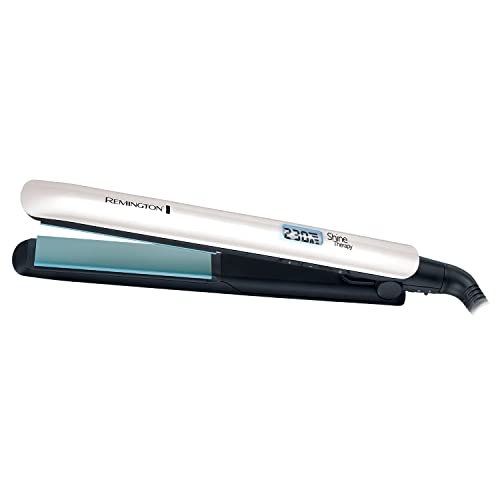
Remington S8500 Shine Therapy Hair Straightener
- Plate Type
- Ceramic + Micro Conditioners
- Temperature
- 150-230°C, 9 settings
- Heat-up
- ~15 seconds
- Auto Off
- 60 minutes
- India Ratings
- 30,296+ (4.6★)
- Warranty
- 3 years
- + 30000+ India ratings at 4.6 average
- + frizz-resist micro conditioners for smooth shine
- + 9 digital temperature settings
- + fast heat-up
- + great discount from MRP
- - Counterfeit complaints from third-party sellers
- - plate gap can pinch hair
- - no strong India warranty network
- - hard to spot original from listing
Ikonic Pro Titanium Shine 3.0 Hair Straightener
- Plate Type
- Dual Floating Titanium
- Plate Width
- 1.5 inch (38mm)
- Temperature
- 150-230°C digital
- Voltage
- Universal 110-240V
- India Ratings
- 210+ (4.5★)
- Warranty
- 1 year
- + Salon-grade 1.5-inch dual floating titanium plates
- + beveled edges for curling too
- + wide 150-230°C digital range
- + universal voltage
- + strong recent India reviews
- - Newer model with smaller review base
- - occasional wrong item delivery complaints
- - no MRP discount story
- - service network smaller than Philips
Remington S7350 Wet2straight Wide Plate Hair Straightener
- Plate Size
- 110×50mm (widest)
- Wet Use
- Yes — wet & dry
- Temperature
- 140-230°C, 10 settings
- Heat-up
- 15 seconds
- Cord
- 2.5m swivel
- Warranty
- 5 years
- + Wet-to-dry styling cuts time in half
- + widest 110x50mm plates in segment
- + 10 heat settings
- + argan oil micro-conditioners
- + 5-year guarantee longest in list
- - Heavier than dry-only straighteners
- - faint heat smell on first uses
- - some recent QC issues flagged
- - not pocket-travel friendly
Remington S8540 Keratin Therapy Pro Hair Straightener
- Plate Type
- Keratin + Almond Oil Ceramic
- Plate Size
- 110mm floating
- Temp Lock
- Yes
- Voltage
- Worldwide
- India Ratings
- 21,323+ (4.5★)
- Warranty
- 3 years
- + Keratin and almond oil infused ceramic plates
- + 110mm floating plates for even contact
- + temp lock prevents accidental changes
- + worldwide voltage
- + 21000+ India ratings
- - Recent plug/circuit failure reports
- - polarised 2025-26 review trend
- - heavier than non-floating alternatives
- - no temperature display
Remington S5500 Digital Anti-Static Ceramic Hair Straightener
- Plate Type
- Anti-Static Ceramic
- Temperature
- 150-230°C, 9 settings
- Plate Width
- 25mm (1 inch)
- Heat-up
- 30 seconds
- India Ratings
- 45,695+ (4.5★)
- Warranty
- 1 year
- + Largest review base in segment at 45000+ ratings
- + digital antistatic ceramic plates reduce frizz
- + 1-inch profile works for short to long hair
- + under ₹4000 entry price
- - Recent verified reviews skew negative with QC concerns
- - older model being phased out
- - single voltage no travel use
- - hard to verify authenticity
Remington S5520 Ceramic Hair Straightener
- Plate Type
- Tourmaline Ceramic
- Temperature
- 150-230°C, 9 settings
- Anti-Static
- Yes
- Auto Off
- Yes
- India Ratings
- 10,490+ (4.6★)
- Warranty
- 1 year
- + Tourmaline-infused ceramic plates
- + 9 temperature settings
- + auto shut-off
- + proven design with 10000+ India ratings
- + lower price than flagship Remingtons
- - Recent reviews stale with no fresh 2025-26 feedback
- - converter required complaints suggest grey-market units
- - older form factor
- - less feature-rich than S5525 or S8500
Which hair straightener to buy
Here is who each pick is for, based on the comparison above.
Dyson Corrale Cord-Free Hair Straightener · ₹29,852
Cord-free flexing plates reduce breakage by 50% with intelligent heat control
Check Price on Amazon →Remington PROluxe S9100 Hair Straightener · ₹9,459
OPTIheat targets thicker sections for 24-hour locked-in styles
Check Price on Amazon →Philips BHS738/00 Kerashine Titanium Wide Plate Straightener · ₹3,145
Wide titanium plates with Philips warranty at sub-₹3,500
Check Price on Amazon →Remington S5525 PRO-Ceramic Extra Wide Plate Hair Straightener · ₹8,398
Extra-wide 110x45mm plates eat through long thick hair in fewer passes
Check Price on Amazon →How to choose a hair straightener
-
Plate Material: Ceramic, Tourmaline, or Titanium?
Ceramic plates heat evenly and are gentler on hair — the safest default for most hair types. Tourmaline-infused ceramic adds negative ions to reduce frizz and static, useful in dry Indian winters. Titanium plates heat fastest and hottest — ideal for thick, coarse, or coloured Indian hair that needs higher temperatures, but riskier on fine hair. Avoid bare-metal plates entirely. -
Plate Width for Your Hair Length and Thickness
Narrow plates (around 25mm / 1 inch) work well for short hair, fringes, and detailed styling. Standard plates (28–32mm) suit most Indian women with medium-length, medium-thickness hair. Wide plates (38–50mm wide × 110mm long, like the Remington S5525 or S7350) cut straightening time in half if you have long or thick hair — fewer passes, less heat exposure. -
Temperature Range and Granularity Matter More Than Maximum
A straightener that goes to 230°C sounds impressive but cooks fine hair. What matters is adjustability: look for at least 9 digital settings between 140–230°C, not just two fixed settings. Fine hair styles at 150–170°C; medium hair at 180–200°C; coarse, thick, or chemically-treated hair may need 200–230°C. Higher heat means faster styling but more damage. -
Floating Plates and Ionic Technology Save Hair From Damage
Floating plates pivot slightly under pressure so they maintain even contact with hair — meaning consistent heat per pass and fewer missed spots that force you to re-iron. Ionic technology neutralises positive static charges in hair, sealing the cuticle for a smoother, shinier finish. Both features are common in the ₹5,000+ tier and are worth paying for. -
Watch Out for Grey-Market and Counterfeit Listings
Premium models like the Remington S9100, S8500, and S5520 attract counterfeit and grey-market listings on Amazon.in third-party sellers. Common red flags: "converter required", "stopped working after a month". Buy from "Sold by Amazon" or "Fulfilled by Amazon" listings, check that the seller is the brand's authorised distributor, and register the warranty within the first week of purchase. -
Warranty and India Service Network
Philips offers a 2-year warranty with the widest India service centre network. Remington offers 3–5 years on select models but service can be inconsistent. Dyson offers 2 years with premium pickup/drop service. Ikonic offers 1 year. When the heating element fails (typically year 2–3 of daily use), the warranty experience is the difference between a ₹500 repair and a ₹6,000 replacement.
Frequently asked questions
What is the difference between ceramic, tourmaline, and titanium straightener plates?
Is a ₹3,000 straightener good enough, or should I spend more?
How often should I use a hair straightener without damaging my hair?
Why do some Amazon listings have thousands of global ratings but no India reviews?
Can I use my hair straightener on wet hair?
What is SilkProtect, OPTIheat, and intelligent heat control?
Are cordless straighteners worth the extra money?
How long should a good hair straightener last?
You may also like
More guides and reviews to help you decide.
Complete hair dryer buying guide for India. Learn about wattage, BLDC motors, ionic technology, heat settings & find the perfect hair dryer for your hair type.
Read more →Best hair curlers in India 2026, ranked. From the Remington Ci95 pearl-ceramic wand to budget VGR and VEGA picks — with prices, pros, cons and a buying guide.
Read more →Find the best hair dryer in India for 2026 across every budget. Compare BLDC and AC dryers from Portronics, Philips, Dreame and more on real owner reviews.
Read more →Find the best premium hair dryer in India 2026. Compare Panasonic, Philips, Dyson, Panasonic with research-based reviews, prices, pros & cons.
Read more →Find the best led face mask in India 2026. Research-based reviews with detailed comparisons, prices, pros & cons to help you pick the right one.
Read more →Find the best facial cleansing brush in India 2026. Research-based reviews with detailed comparisons, prices, pros & cons to help you pick the right one.
Read more →