
PRODUCT REVIEW
Best Ice Cream Makers in India 2026
Best ice cream makers in India 2026 - electric churning machines, cordless models, and roll makers compared on capacity, warranty, price, pros & cons.
 By Naveen Bhavnani
Updated
By Naveen Bhavnani
Updated
As an Amazon Associate we earn from qualifying purchases. We could also earn a fee through some links when you click on them.

Ice cream maker picks by use
Already covered the winner above — here are the picks for specific needs.
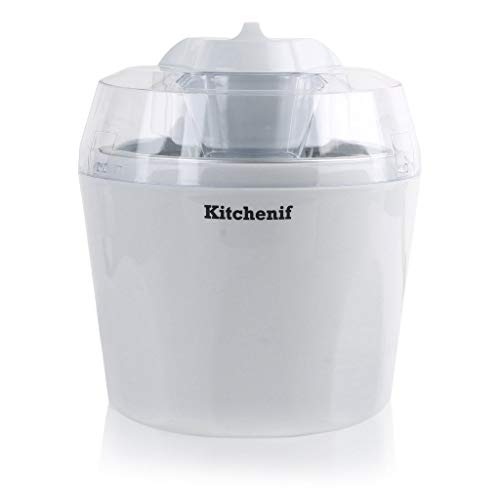
Kitchenif Ice Cream, Sorbet, Slush & Frozen Yoghurt Maker (1.5L)
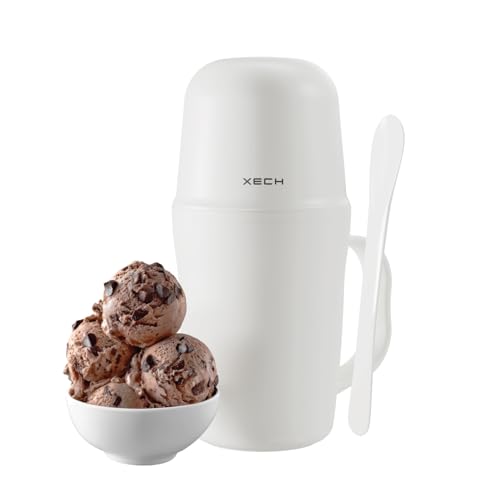
XECH Cordless Rechargeable Ice Cream Maker (400ml)

Cyrox Instant Rolled Ice Cream Maker DIY with 2 Scrapers
Ice cream makers compared on type
How the shortlist stacks up. Scroll sideways on mobile.
| WWCD Score | Product | Type | Capacity | Material | Weight | Warranty | Rating | Reviews | Price | Deal |
|---|---|---|---|---|---|---|---|---|---|---|
| 8.6/10 | Kitchenif Digital | Electric Churning | 1.5L | Plastic | 2.7 kg | 2 Years | 3.8 | 444 | ₹4,263 | Check Price |
| 8.6/10 | HOMEBASIC Digital | Electric Churning | 1.5L | ABS Plastic | 2.8 kg | 6 Months | - | 0 | ₹3,959 | Check Price |
| 8.5/10 | Kitchenif Non-Digital | Electric Churning | 1.5L | Plastic | 2.53 kg | 2 Years | 3.7 | 184 | ₹3,663 | Check Price |
| 8.4/10 | XECH Cordless | Electric Cordless | 400ml | ABS | 750 g | 1 Year | 3.8 | 55 | ₹1,499 | Check Price |
| 8.4/10 | Cyrox Roll Maker | Manual Roll Maker | 2-3 servings | 304 SS + ABS | 918 g | None | - | 0 | ₹999 | Check Price |
| 8.3/10 | Overa Roll Maker | Manual Roll Maker | 2-3 servings | SS + Plastic | N/A | None | 5.0 | 1 | ₹949 | Check Price |
| 8.3/10 | SELOME Roll Maker | Manual Roll Maker | 2-3 servings | 304 SS | 843 g | None | - | 0 | ₹899 | Check Price |
| 8.3/10 | KG IMPORT Fruit Maker | Electric Fruit Maker | 300ml | Metal | 1.8 kg | None | - | 0 | ₹4,299 | Check Price |
| 8.3/10 | SEVIA Roll Maker | Manual Roll Maker | 2-3 servings | 304 SS + ABS | 900 g | None | - | 0 | ₹999 | Check Price |
| 8.2/10 | Slursh Roll Maker | Manual Roll Maker | 2-3 servings | SS + PP | 580 g | None | 2.8 | 5 | ₹999 | Check Price |


Before you buy: check your freezer and your patience
Almost every electric ice cream maker here needs you to pre-freeze the bowl at -18°C or below for 12-24 hours. Single-door refrigerators usually only reach -8°C to -10°C and will not work - this is the #1 complaint in reviews. Confirm you have a double-door or larger freezer before ordering.
There's also a real learning curve. Expect 3-4 practice batches before you get a smooth result: use full cream (not just milk), chill your mix first, start the motor before pouring, and never run the machine beyond 30 minutes or the low-wattage motor can overheat.
Ice cream maker reviews: capacity, warranty and churn time
Specs, the honest pros and cons, and who each one is for.
Kitchenif Digital Ice Cream, Sorbet & Frozen Yoghurt Maker (1.5L)
India's most trusted electric ice cream maker with digital precision and family-size capacity
- Type
- Electric churning machine
- Capacity
- 1.5 litres
- Material
- Plastic body
- Weight
- 2.7 kg
- Operation
- Automatic with digital timer
- Pre-freeze
- 12-18 hrs (double-door freezer)
- Churning time
- 15-30 minutes
- Warranty
- 2 years India warranty
The Kitchenif Digital is the best all-round ice cream maker in India thanks to its 1.5L capacity, digital timer, and 2-year warranty. It has a learning curve, but once mastered it produces excellent homemade ice cream, sorbet, and frozen yogurt.
- + Largest capacity (1.5L) among electric ice cream makers available in India
- + Digital timer with auto shut-off means hands-free operation
- + Overheat protection safeguards the motor during extended use
- + 2-year India warranty - best in class for ice cream makers
- + 444 verified reviews make it the most battle-tested option
- + Free recipe book with brand YouTube guides included
- + Makes excellent vegan and custom-ingredient ice cream
- - Motor can overheat after 25 minutes of continuous churning
- - Requires 12-18 hours of pre-freezing in a double-door refrigerator
- - Steep learning curve - most users need 3-4 attempts
- - Some units arrive with missing parts (paddle or lid)
- - Plastic body feels less premium at the ₹4000+ price point
HOMEBASIC 1.5L Digital Ice Cream Maker Machine with Timer
Feature-rich digital ice cream maker at a competitive price, but unproven in the market
- Type
- Electric churning machine
- Capacity
- 1.5 litres
- Material
- ABS plastic
- Weight
- 2.8 kg
- Operation
- Automatic with digital timer
- Dimensions
- 17 x 15 x 24 cm
- Warranty
- 6 months
The HOMEBASIC matches Kitchenif on specs and features at a slightly lower price, but its 6-month warranty and zero reviews make it a gamble. Best for buyers willing to take a chance on a new entrant.
- + Digital timer with auto shut-off for effortless operation
- + 1.5L family-size capacity matches the Kitchenif
- + Heaviest build at 2.8kg suggests sturdy construction
- + Compact dimensions (17x15x24 cm) - smallest footprint among 1.5L models
- + Recipe guidance included for beginners
- + Slightly cheaper than Kitchenif Digital
- - Only 6-month warranty - worst among electric ice cream makers
- - Zero customer reviews - completely unproven product
- - Unknown brand with no established service network in India
- - Made in China with unclear quality control
- - No overheat protection mentioned unlike Kitchenif
Kitchenif Ice Cream, Sorbet, Slush & Frozen Yoghurt Maker (1.5L)
Same trusted Kitchenif quality at a lower price, minus the digital timer
- Type
- Electric churning machine
- Capacity
- 1.5 litres
- Material
- Plastic body
- Weight
- 2.53 kg
- Operation
- Automatic (no digital timer)
- Pre-freeze
- 12-18 hrs (double-door freezer)
- Churning time
- 15-30 minutes
- Warranty
- 2 years India warranty
The budget-friendly sibling of the Kitchenif Digital. You get the same 1.5L capacity, 2-year warranty, and overheat protection, but sacrifice the digital timer. Ideal if you don't mind manually timing your churning.
- + ₹600 cheaper than the Digital model with the same 1.5L capacity
- + Super compact design saves counter space
- + 2-year India warranty with recipe book included
- + Overheat protection prevents motor damage
- + Safety lock on transparent lid
- + 184 verified reviews provide good reliability data
- - No digital timer - requires manual monitoring of churning time
- - Some reviewers describe build quality as 'toy-like'
- - Same 12-18 hour pre-freeze requirement as Digital model
- - Customer support is email-only with slow response times
- - Bowl stops freezing effectively after a few uses for some users
XECH Cordless Rechargeable Ice Cream Maker (400ml)
India's only cordless ice cream maker - portable, rechargeable, and perfect for personal treats
- Type
- Cordless electric churning
- Capacity
- 400ml (actual ~250-300ml)
- Material
- ABS plastic
- Weight
- 750 g
- Power
- USB-C rechargeable
- Pre-freeze
- 24 hours
- Churning time
- ~15 minutes
- Warranty
- 1 year
The XECH is a fun, portable ice cream maker that excels as a personal treat machine or gift. Its cordless design is unmatched, but the small 250-300ml actual capacity and soft-serve output mean it's best for individuals, not families.
- + Only cordless rechargeable ice cream maker in India - USB-C charging
- + Ultra-portable at 750g - ideal for travel and picnics
- + #1 Best Seller in Ice Cream Makers on Amazon.in
- + Makes ice cream in 15 minutes with minimal effort
- + Works with dairy / vegan / sugar-free / keto recipes
- + Complete kit with scooper spoon and charging cable
- + Most affordable electric option at ₹1499
- - Small capacity - actual yield is only 250-300ml (2 scoops) versus the claimed 400ml
- - Produces soft serve texture rather than thick scoopable ice cream
- - Requires 24 hours of pre-freezing (longer than Kitchenif)
- - Several reports of faulty units on arrival
- - Not suitable for families - serves 1-2 people per batch
Cyrox Instant Rolled Ice Cream Maker DIY with 2 Scrapers
The most kid-friendly ice cream roll maker with a charming bear design and dishwasher-safe convenience
- Type
- Manual cold-plate roll maker
- Capacity
- 2-3 servings per session
- Material
- 304 stainless steel + ABS
- Weight
- 918 g
- Power
- No electricity needed
- Pre-freeze
- 8-12 hours
- Warranty
- None stated
The Cyrox stands out among roll makers with its cute bear design, 304 SS plate, and dishwasher-safe parts. Perfect for family ice cream nights with kids, though it's limited to rolled ice cream only.
- + Adorable bear design that kids love - great for family bonding
- + Food-grade 304 stainless steel cold plate for safe and even freezing
- + No electricity needed - eco-friendly and portable
- + Anti-slip base and rounded corners make it safe for children
- + Dishwasher safe - easiest to clean among all roll makers
- + Heaviest roll maker at 918g for better cold retention
- + Versatile for ice cream rolls / frozen yogurt / smoothies
- - No warranty offered
- - Zero customer reviews - unproven product
- - Limited to 2-3 servings per freeze session (30-min window)
- - Requires 8-12 hours of pre-freezing
- - Cannot make traditional scooped ice cream - only rolls and flat treats
Overa Ice Cream Roll Maker, Stainless Steel DIY with 2 Spatulas
The only positively-reviewed roll maker with non-slip stability and kid-safe spatulas
- Type
- Manual cold-plate roll maker
- Capacity
- 2-3 servings per session
- Material
- Stainless steel + plastic
- Power
- No electricity needed
- Pre-freeze
- 12-24 hours
- Origin
- Made in India
- Warranty
- Customer service support
The Overa is the safest bet among roll makers, being the only one with a verified positive review. Its non-slip mat and ergonomic spatulas make it particularly suited for families with young children.
- + Only roll maker with a verified positive review (5 stars)
- + Non-slip mat provides stability during rolling
- + Ergonomic spatulas with safety round corners for kids
- + Made in India - easier after-sales support
- + Sealed cooling liquid technology for sustained freezing
- + Versatile for ice cream rolls / frozen yogurt / sorbets / gelato
- - Only 1 review - very limited reliability data
- - Longer pre-freeze time (12-24 hours) than some competitors
- - No formal warranty policy stated
- - Weight not specified in listing
- - Limited to rolled ice cream format only
SELOME Instant Ice Cream Roll Maker, 304 Stainless Steel
The most affordable 304 stainless steel roll maker for budget-conscious buyers
- Type
- Manual cold-plate roll maker
- Capacity
- 2-3 servings per session
- Material
- 304 stainless steel
- Weight
- 843 g
- Power
- No electricity needed
- Pre-freeze
- 12 hours
- Warranty
- None stated
At ₹899 the SELOME offers genuine 304 stainless steel construction at the lowest price point. A solid entry-level roll maker for those wanting to try rolled ice cream at home without a big investment.
- + Cheapest 304 stainless steel roll maker at ₹899
- + Made in India - potential for easier service
- + Premium 304 SS ensures food safety and durability
- + Compact and portable design
- + Simple 3-step process - pour / wait 5 min / scrape
- - Zero customer reviews
- - No warranty offered
- - Hand wash only - not dishwasher safe
- - Brand has no established track record
- - Limited to rolled ice cream format
KG IMPORT Fruit Frozen Dessert Maker - Soft Serve & Sorbet Maker
The healthy alternative - instant frozen fruit soft serve with zero added sugar
- Type
- Electric frozen-fruit dessert maker
- Capacity
- 300 ml
- Material
- Metal body
- Weight
- 1.8 kg
- Operation
- One-touch automatic
- Pre-freeze
- None (uses frozen fruit)
- Warranty
- Not stated
A unique proposition for health-conscious buyers who want instant frozen fruit desserts without the 12-24 hour pre-freeze wait. But at ₹4,299 with no warranty and zero reviews, it's a high-risk purchase.
- + No pre-freeze bowl needed - just use frozen fruit for instant soft serve
- + Healthiest option - 100% natural fruit with no added sugar or dairy
- + One-touch operation - simplest electric option to use
- + Dishwasher safe parts for easy cleanup
- + 75-recipe book included for inspiration
- + Metal body for durability
- + Made in India
- - No warranty stated despite being the most expensive option at ₹4299
- - Zero customer reviews - completely unproven
- - Small 300ml capacity
- - Limited to frozen fruit desserts - cannot make cream-based ice cream
- - Unknown brand with no track record
- - Expensive for a fruit dessert maker
SEVIA Instant Ice Cream Roll Maker, 304 Stainless Steel
A solid bear-design roll maker with 304 stainless steel and versatile frozen dessert capability
- Type
- Manual cold-plate roll maker
- Capacity
- 2-3 servings per session
- Material
- 304 stainless steel + ABS
- Weight
- 900 g
- Power
- No electricity needed
- Pre-freeze
- 8-12 hours
- Warranty
- None stated
Very similar to the Cyrox bear-design roll maker but without dishwasher-safe convenience. Choose this if Cyrox is out of stock, otherwise the Cyrox is the better pick.
- + Cute bear design similar to Cyrox - appeals to kids
- + Food-grade 304 stainless steel cold plate
- + 900g weight provides good cold retention
- + No electricity needed - safe and portable
- + Includes pan / 2 spatulas / instructions
- + Versatile for ice cream / yogurt / smoothies / food preservation
- - No warranty
- - Zero customer reviews
- - Very similar to Cyrox (same bear design concept)
- - Hand wash only - not dishwasher safe like Cyrox
- - 30-minute use window before plate warms up
Slursh Instant Ice Cream Cold Plate Roll Maker with 2 Spatulas
The most popular roll maker on Amazon.in, but durability concerns temper the excitement
- Type
- Manual cold-plate roll maker
- Capacity
- 2-3 servings per session
- Material
- Food-grade PP + stainless steel
- Weight
- 580 g
- Power
- No electricity needed
- Pre-freeze
- 12+ hours
- Warranty
- None stated
The Slursh is Amazon's #3 best seller in the category and the lightest roll maker for portability. However, its 2.8-star rating and reports of cracking or breaking are concerning. Consider heavier alternatives like Cyrox or Overa for reliability.
- + #3 Best Seller in Ice Cream Makers - most popular roll maker
- + Lightest roll maker at 580g - most portable option
- + Made in India by Koozo Commerce
- + BPA-free food grade materials
- + Easy to clean with just soap and water
- + Available in White and Pink colour variants
- - 2.8 star rating - lowest among products with reviews
- - 2 of 5 reviews report cracking or breaking on arrival
- - Lightest weight (580g) means less cold retention than heavier competitors
- - No warranty offered despite quality concerns
- - One reviewer says results do not match YouTube demonstrations
Which ice cream maker to buy
Across electric churners, a cordless travel model, and manual roll makers, here are the four picks worth your money for homemade ice cream in India.
Kitchenif Digital (1.5L) · ₹4,263
Buy this if you want the most trusted 1.5L electric maker with a digital timer and 2-year warranty.
Check Price on Amazon →Kitchenif Non-Digital (1.5L) · ₹3,663
Buy this if you want the same proven Kitchenif platform and warranty for ₹600 less and don't need the timer.
Check Price on Amazon →XECH Cordless (400ml) · ₹1,499
Buy this if you want cordless, USB-C ice cream for one or two people anywhere - travel, balcony, or gifting.
Check Price on Amazon →Cyrox Roll Maker · ₹999
Buy this if you want a safe, dishwasher-safe roll maker for fun family ice cream nights with children.
Check Price on Amazon →How to choose an ice cream maker
-
Electric Churning vs Roll Maker vs Fruit Dessert Maker: Which Type is Right for You?
Electric churning machines (like Kitchenif) use a pre-frozen bowl and motorised paddle to churn ingredients into traditional scoopable ice cream. They produce the closest result to store-bought ice cream but require 12-24 hours of bowl pre-freezing. Roll makers (cold plates) are manual, no-electricity devices where you pour liquid onto a frozen plate and scrape it into rolls - fun for kids but limited output. Fruit dessert makers process frozen fruit into soft serve instantly - the healthiest option but limited to fruit-based recipes only. -
Why You Need a Double-Door Refrigerator
Almost every electric ice cream maker in India requires pre-freezing the bowl at -18°C or below for 12-24 hours. Single-door refrigerators cannot reach this temperature. If you only have a single-door fridge, your ice cream maker bowl will never freeze properly and the machine won't work - this is the #1 complaint in reviews. Before buying, confirm your freezer reaches -18°C or below. Pro tip: keep the bowl in the freezer permanently so it's always ready. -
Capacity Guide: How Much Ice Cream Will You Actually Get?
A 1.5L machine produces roughly 4-5 scoops per batch - enough for a family of four. The XECH 400ml machine yields about 2 scoops (actual ~250-300ml), so it's a personal-serving device, not a family one. Roll makers produce 2-3 servings per freeze session within a 30-minute window before the plate warms up. Remember you cannot make consecutive batches on a canister model - the bowl needs 12-24 hours to re-freeze between uses. -
The Learning Curve is Real
Expect 3-4 failed attempts before making good ice cream. Common beginner mistakes: not freezing the bowl long enough, using too much liquid, not starting the motor before pouring the mixture, and running the machine beyond 30 minutes. Use full cream (not just milk) for creamier results, and follow the included recipe book exactly for your first few batches before experimenting. -
Indian Flavours & Ingredients
Indian-friendly recipes work beautifully in canister machines: classic vanilla (full-fat milk, fresh cream, sugar, vanilla), mango kulfi (alphonso pulp and condensed milk), kesar pista (saffron and pistachios), chocolate (cocoa and cream), and dairy-free fruit sorbets. Most recipes need full-fat milk (Amul Gold) and 25% fat cream - fat content determines creaminess, so avoid low-fat ingredients. For kulfi, reduce added sugar since condensed milk is already sweet. Cost is roughly ₹100-200 of ingredients per batch. -
Warranty Matters More Than You Think
Ice cream maker motors can overheat and fail, bowls can crack, and paddles can break. Kitchenif offers the best warranty at 2 years. HOMEBASIC offers only 6 months. XECH provides 1 year. Most roll makers offer no warranty at all. Given the mechanical nature of these products, a longer warranty provides meaningful protection - and a brand with an Indian service presence is far easier to deal with than an unknown importer. -
Maintenance Tips for Longevity
Never run electric ice cream makers for more than 30 minutes continuously - the motor will overheat. Always start the motor before pouring in your mixture. Never put the freezer bowl in a dishwasher and never wash its interior with hot water (it damages the coolant gel). Store the bowl upright in the freezer in a sealed bag. For roll makers, avoid metal utensils that scratch the cold plate, and dry all parts thoroughly before storing. -
Cost Analysis: Is Homemade Ice Cream Worth It?
The machine costs ₹900-4,500 (canister and roll-maker models), with ingredients adding roughly ₹100-200 per 1.5L batch versus ₹400-600 per litre for premium store ice cream. For weekly users, break-even arrives in about 3-4 months. But the real value isn't pure savings - it's ingredient control: no preservatives, stabilisers, or palm oil, plus the freedom to make sugar-free, vegan, or allergen-free versions at home.
Frequently asked questions
What is the best ice cream maker in India?
Which is the best ice cream maker for home use in India under ₹5,000?
How long does it take to make ice cream at home?
Will an ice cream maker work in a single-door refrigerator?
Why does my ice cream come out as liquid or slurry instead of frozen?
What ingredients do I need to make ice cream in India?
Can I make kulfi, sorbet and vegan ice cream in these machines?
How do I fix icy or grainy texture in homemade ice cream?
Should I buy an imported US ice cream maker like Cuisinart for India?
How do I clean an ice cream maker bowl and paddle?
What is the difference between canister and compressor ice cream makers?
Why does the motor overheat on my ice cream maker?
What is the difference between an ice cream maker and an ice cream roll maker?
You may also like
More guides and reviews to help you decide.
Best air fryers in India 2026, ranked on watts per litre and a year of verified owner reviews. 8 models from ₹3,299 to ₹15,499, ceramic and dual-basket picks.
Read more →Best multi-function air fryer ovens in India for 2026 — Ninja, Inalsa, Morphy Richards, Philips, Solara & more from ₹8,299 to ₹25,999. Compare capacity & more.
Read more →Find the best ice maker machine in India. Compare countertop portable ice makers from ₹7,499 to ₹14,990. Verified prices, specifications & in-depth reviews.
Read more →Find the best stainless steel lunch box in India 2026. Compare Cello & more with research-based reviews, prices & pros and cons.
Read more →Find the best smart oven in India 2026. Compare Samsung, LG, Panasonic, IFB with research-based reviews, prices, pros & cons.
Read more →Find the best popcorn maker in India 2026. Compare Lifelong & more with research-based reviews, prices & pros and cons.
Read more →