PRODUCT REVIEW
Best 3-Wheel Kids Scooters in India 2026
Compare the 10 best kids scooters in India for 2026 — Lifelong, Slovic, Konex, Baybee & R for Rabbit. 3-wheel, LED, foldable picks for every age and budget.
 By Naveen Bhavnani
Updated
By Naveen Bhavnani
Updated
Medical disclaimer
This content is for educational purposes only and is not a substitute for professional medical advice, diagnosis, or treatment. Always consult a qualified healthcare provider before starting any supplement or making health decisions. For pediatric concerns, consult your child's paediatrician.
As an Amazon Associate we earn from qualifying purchases. We could also earn a fee through some links when you click on them.

Kids scooter picks by rider age
Already covered the winner above — here are the picks for specific needs.

Slovic Kick Scooter for Kids 3+ Years with Adjustable Handle Height
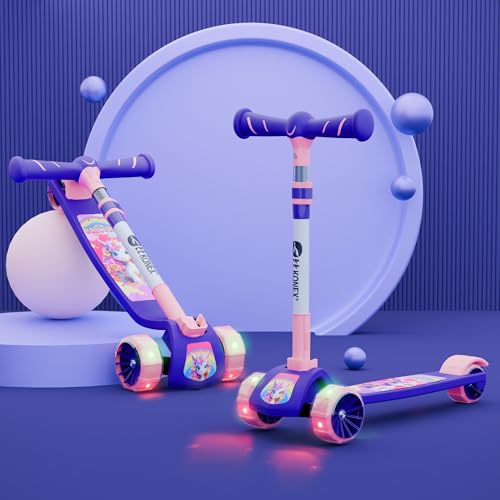
Konex Kick Scooter for Kids (2+ Years) with LED Wheels

R for Rabbit Road Runner Swift Scooter with PU LED Wheels
Kids scooters compared on wheels
How the shortlist stacks up. Scroll sideways on mobile.
| WWCD Score | Product | Wheel Type | Weight Cap. | Height Levels | Frame | Price | Deal |
|---|---|---|---|---|---|---|---|
| 9.2/10 | Lifelong Foldable LED | PU LED | 50 kg | 3 | Alloy Steel | ₹1,199 | Check Price |
| 9.2/10 | Slovic Kick Scooter | PVC LED | 50 kg | Adjustable | Aluminium | ₹799 | Check Price |
| 9.1/10 | Konex Kick Scooter | PVC LED | 40 kg | 4 | Metal | ₹1,499 | Check Price |
| 9.1/10 | Baybee Alpha | PU LED | 50 kg | 4 | Aluminium | ₹1,999 | Check Price |
| 9.1/10 | Kidsmate Rider Pro | Broad PU LED | 30 kg | 5 | Metal / plastic deck | ₹1,199 | Check Price |
| 9.1/10 | Cockatoo Rocket Racer | PP+PU LED | 50 kg | 4 | Alloy / Mild Steel | ₹1,499 | Check Price |
| 9.0/10 | R for Rabbit Road Runner Swift | PU LED (ABEC-7) | 75 kg | 3 | Metal | ₹2,598 | Check Price |
| 9.0/10 | Kidsmate Cruiser | Broad PU | 30 kg | Adjustable | Metal / plastic deck | ₹899 | Check Price |
| 9.0/10 | Baybee Dino Crown | RGB LED | 50 kg | 3 | Aluminium / plastic deck | ₹2,623 | Check Price |


Before the first ride: tighten the handle joint
Across almost every brand here, the most common long-term complaint is the handlebar stem bending or loosening at the folding joint after a few months — usually when a heavier child rides hard or jumps the scooter. Tighten every bolt and the height-locking collar before the first ride, re-check them monthly, discourage jumping and stay within the stated weight limit to get years of use.
Whichever scooter you pick, always pair it with a helmet and keep young riders on footpaths, parks and closed compounds — never on roads with vehicle traffic.
Kids scooter reviews: wheels, brakes and build
Specs, the honest pros and cons, and who each one is for.
Lifelong Foldable Kids Kick Scooter with LED Wheels & Adjustable Height
The all-rounder that nails value, safety and fun for Indian kids.
- Frame
- Alloy Steel
- Wheels
- PU LED
- Suspension
- Dual
- Brake
- Rear
- Height Levels
- 3
- Weight Capacity
- 50 kg
- Scooter Weight
- 1.84 kg
- Age
- 3+ years
- Certification
- BIS & ISI
A certified, PU-LED-wheeled scooter at a budget price with a massive review base — the safest all-round bet for most 3-8 year olds. Just keep the handle bolts tight as your child grows.
- + PU LED light-up wheels that kids love
- + Alloy-steel frame with dual suspension
- + BIS & ISI safety certified
- + Excellent value at ₹1,199
- + Foldable and lightweight (1.84 kg)
- + Huge proven review base (5,500+ ratings)
- - Handle pipe can bend under heavier/older kids
- - Screws/fittings may loosen over time
- - Deck is on the smaller side
- - Occasional one-wheel stiffness reported
Slovic Kick Scooter for Kids 3+ Years with Adjustable Handle Height
Maximum scooter for minimum money.
- Frame
- Aluminium
- Wheels
- PVC LED
- Suspension
- Rigid
- Brake
- Rear
- Height Levels
- Adjustable
- Weight Capacity
- 50 kg
- Scooter Weight
- 2.35 kg
- Age
- 3+ years
- Certification
- BIS
An aluminium-framed, BIS-approved, LED-wheeled scooter for ₹799 with uniformly happy owners. The PVC wheels are the only real compromise — outstanding value for a first scooter.
- + Lowest price in the field (₹799)
- + Aluminium frame with BIS approval
- + PVC LED light-up wheels
- + Lightweight (2.35 kg) and foldable
- + Consistently positive recent reviews
- + 50 kg weight capacity
- - PVC wheels less smooth than PU on rough roads
- - Smaller review base (97 ratings)
- - No suspension
- - Single brake only
Konex Kick Scooter for Kids (2+ Years) with LED Wheels
The featherweight first scooter for 2-4 year olds.
- Frame
- Metal
- Wheels
- PVC LED
- Suspension
- None
- Brake
- Rear
- Height Levels
- 4
- Weight Capacity
- 40 kg
- Scooter Weight
- 1.52 kg
- Age
- 2+ years
- Certification
- BIS
At just 1.52 kg with a wide, stable stance and BIS approval, this is the easiest scooter here for a toddler to control and carry. The 40 kg cap and PVC wheels mean kids will outgrow it, but as a starter it earns its spotless reviews.
- + Lightest scooter in the field (1.52 kg)
- + Very stable toddler-friendly 3-wheel design
- + 4-level adjustable handle
- + BIS approved
- + Perfect 5-star recent reviews
- + Easy to assemble and carry
- - Lowest weight capacity (40 kg)
- - PVC wheels not PU
- - Small review base (18 ratings)
- - Pricier than some PVC rivals
Baybee Alpha Kick Scooter for Kids with 4 Height Adjustable Handle
The most popular pick — superb ride, watch the handle.
- Frame
- Aluminium
- Wheels
- PU LED
- Suspension
- Front
- Brake
- Rear
- Height Levels
- 4
- Weight Capacity
- 50 kg
- Scooter Weight
- 2.0 kg
- Age
- 3-10 years
- Certification
- —
A smooth-riding, highly adjustable scooter that 5,700+ buyers rate well, but a recurring handle-joint breakage and patchy support keep it from the top. Great for lighter kids and gentle use.
- + 4-level handle with the widest age span (3-10 yrs)
- + PU LED wheels with front suspension
- + Smooth cushioned ride
- + Aluminium frame at only 2 kg
- + Most-reviewed scooter in the field (5,700+)
- + Stable and easy to maneuver
- - Handle frequently breaks at the joint in 6-9 months
- - Weak after-sales / spare-parts support
- - Some units arrive used or damaged
- - Pricier than better-built rivals
- - Folding instructions unclear
Kidsmate Rider Pro Kick Scooter with Broad PU LED Wheels
The most adjustable budget LED scooter.
- Frame
- Metal stem / plastic deck
- Wheels
- Broad PU LED
- Suspension
- None
- Brake
- Rear
- Height Levels
- 5
- Weight Capacity
- 30 kg
- Scooter Weight
- 3.5 kg
- Age
- 2-12 years
- Certification
- —
Five height levels and broad PU LED wheels at ₹1,199 make this a smart budget LED pick for younger kids. The 30 kg cap and flexy deck mean it suits 2-7 year olds best.
- + 5-level height adjustment (most in field)
- + Broad PU LED wheels with a smooth glide
- + Low roll-resistant wheelbase
- + Cheap at ₹1,199
- + Easy fold design
- + Arrives as pictured
- - Low 30 kg weight capacity
- - Plastic deck flexes under heavier kids
- - Heavier scooter (3.5 kg)
- - Smaller review base (49 ratings)
Cockatoo Rocket Racer LED Scooter for Kids 3-12 Years
The best-looking budget scooter on the shelf.
- Frame
- Alloy / Mild Steel
- Wheels
- PP+PU LED (ABEC-5)
- Suspension
- Front
- Brake
- Rear
- Height Levels
- 4
- Weight Capacity
- 50 kg
- Scooter Weight
- 2.0 kg
- Age
- 3-12 years
- Certification
- —
A premium-looking, steel-framed LED scooter that punches above its ₹1,499 price on style and ride. Keep an eye on the rear wheel, which a few owners report working loose after a few months.
- + Premium luxury-looking design
- + Alloy/mild-steel frame with ABEC-5 bearings
- + PP+PU LED wheels look great
- + Front suspension for a smoother ride
- + 4-level adjustable with 50 kg capacity
- + Great value at ₹1,499
- - Rear wheel can work loose/damage around 3 months
- - Back-wheel LED may stop working
- - Only front wheels light up
- - Weak after-sales support
- - Battery-slot expectations cause confusion
R for Rabbit Road Runner Swift Scooter with PU LED Wheels
Built for bigger kids — specs to match, if QC cooperates.
- Frame
- Metal
- Wheels
- PU LED (ABEC-7)
- Suspension
- None
- Brake
- Rear
- Height Levels
- 3
- Weight Capacity
- 75 kg
- Scooter Weight
- 2.79 kg
- Age
- 3+ years
- Certification
- BIS
The only scooter here rated to 75 kg, with ABEC-7 bearings and gravity steering that suit older, heavier children. Best specs in the field on paper, but handle-lock and QC complaints mean you should check it carefully on arrival.
- + Highest weight capacity (75 kg) fits older kids
- + BIS certified with ABEC-7 bearings
- + PU LED wheels with a smooth glide
- + Gravity lean-to-steer builds coordination
- + Smart fold design
- + Premium brand build quality
- - Handle-lock spring can fail / not slot properly
- - Top aluminium rod loosens on its own
- - Some units arrive misaligned or defective
- - Lean steering stiff for 3-year-olds
- - Priciest of the mainstream picks
Kidsmate Cruiser Kick Scooter for Kids with Broad Wheels
A brilliant ₹899 first scooter for little ones.
- Frame
- Metal stem / plastic deck
- Wheels
- Broad PU
- Suspension
- None
- Brake
- Rear
- Height Levels
- Adjustable
- Weight Capacity
- 30 kg
- Scooter Weight
- 3.5 kg
- Age
- 2-12 years
- Certification
- —
An inexpensive, stable scooter that young children love for learning balance. The plastic deck flexes and the 30 kg cap means it is really a 3-5 year scooter — but at ₹899 it is hard to beat for first-timers.
- + Very cheap (₹899)
- + Broad roll-resistant wheelbase
- + Smooth broad PU wheels
- + Good grip and braking
- + Large review base (2,600+)
- + Easy for young kids to balance
- - Plastic deck flexes under foot
- - Handle can feel wobbly
- - Low 30 kg capacity
- - Best for 3-5 year olds despite "2-12" claim
- - No LED wheels
Baybee Dino Crown Kick Scooter with RGB LED Wheels & Music
Lights, music, action — the most fun scooter here.
- Frame
- Aluminium handle / plastic deck
- Wheels
- RGB LED (synthetic rubber)
- Suspension
- None
- Brake
- Rear
- Height Levels
- 3
- Weight Capacity
- 50 kg
- Scooter Weight
- 2.0 kg
- Age
- 3-8 years
- Certification
- —
RGB LED wheels, glowing deck and built-in music make this the scooter young kids beg for. The plastic deck and ₹2,623 price mean it is a fun-first choice for under-5s rather than a long-term workhorse.
- + RGB LED wheels plus deck lights and music
- + Huge fun factor for young kids
- + 3-stage adjustable T-bar
- + Quick one-click fold
- + Non-slip grips with safety caps
- + 50 kg capacity
- - Plastic deck — only the handle is aluminium
- - Priciest mid-range pick (₹2,623)
- - Best for kids up to ~5 years
- - Small review base (32 ratings)
- - Some defective units reported
Which kids scooter to buy
Every scooter here is a stable 3-wheeler with a real track record among Indian buyers — these four cover the choice by age and budget.
Lifelong Foldable Kids Kick Scooter (LED) · ₹1,199
Buy this for most 3-8 year olds — PU LED wheels, alloy-steel frame and BIS+ISI certification, with the biggest proven review base.
Check Price on Amazon →Slovic Kick Scooter for Kids 3+ · ₹799
Buy this if you want the cheapest credible first scooter — aluminium frame, BIS approval and LED wheels with uniformly happy owners.
Check Price on Amazon →Konex Kick Scooter (2+ Years) · ₹1,499
Buy this for a 2-4 year old's first rides — at 1.52 kg it is the lightest, most controllable scooter here, and BIS approved.
Check Price on Amazon →R for Rabbit Road Runner Swift · ₹2,598
Buy this for older, heavier kids — the only pick rated to 75 kg, with ABEC-7 bearings; just check the handle lock on arrival.
Check Price on Amazon →How to choose a kids scooter
-
3 wheels vs 2 wheels: start with three
For kids under 6, a 3-wheel scooter is far more stable — two wheels at the front (or back) give a wide, roll-resistant base so beginners can balance and steer by leaning rather than turning the handlebar. Move to a 2-wheel scooter only once your child is confident and around 6+. Every pick in this list is a 3-wheeler for exactly this reason. -
Wheel material: PU beats PVC
Polyurethane (PU) wheels are softer, grippier and quieter, and absorb bumps on rough Indian pavements far better than hard PVC or PP wheels. PVC scooters (like the cheapest picks here) are fine on smooth tiles and indoors but feel harsh and noisy outside. If your budget stretches to PU LED wheels (Lifelong LED, Baybee Alpha, Kidsmate Rider Pro), they are worth it. -
Check the weight capacity and age, not just the marketing
Many scooters claim "2-12 years" but have a 30 kg cap and a plastic deck that flexes — in reality they suit 3-6 year olds. If your child is older or heavier, prioritise capacity: the R for Rabbit Road Runner Swift is rated to 75 kg and most others to 50 kg, while the broad-wheel Kidsmate models cap at 30 kg. -
Adjustable height makes it last
A handlebar with 3-5 height settings lets the scooter grow with your child over several years. Look for clearly marked, lockable height levels. The Kidsmate Rider Pro offers 5 levels and the Baybee Alpha 4; make sure the locking collar is tight on arrival, as a loose collar is the most common durability complaint across brands. -
Brakes and safety certification
A rear foot brake (step on the mudguard over the back wheel) is the easiest for kids to learn — most picks here use one. Front brakes are slightly less intuitive. Also look for BIS / ISI certification (Lifelong, Slovic, Konex and R for Rabbit carry it), which indicates the scooter has passed Indian safety standards. Always pair any scooter with a helmet. -
Watch the handle joint — the #1 failure point
Across almost every brand, the most common complaint is the handlebar stem bending or snapping at the folding joint after a few months, usually when a heavier child rides hard or jumps the scooter. Tighten all bolts before first use, re-check them monthly, discourage jumping, and stay within the weight limit to get years of use.
Frequently asked questions
What is the best kids scooters in India?
What age is appropriate for a kids scooter?
Are 3-wheel scooters better than 2-wheel for kids?
Do the LED light-up wheels need batteries?
PU wheels or PVC wheels — does it matter?
How much should I spend on a kids scooter in India?
What weight can these scooters hold?
Which scooter brand has the best after-sales service in India?
Is the budget Lifelong scooter good quality?
How do I adjust the scooter handlebar height correctly?
Can scooters be used on Indian roads and pavements?
Do I need to assemble the scooter after delivery?
Is the R for Rabbit Road Runner Swift worth it?
Why are expensive imported brands like Micro and 6KU not recommended?
How do I make a kids scooter last longer?
You may also like
More guides and reviews to help you decide.
Find the best inflatable swimming pool for kids in India 2026. Compare Intex Dinoland & more from ₹600 to ₹5,000. Safe, durable PVC for Indian summers.
Read more →Find the best kids bicycle under 5000 India offers. TONY RAW, Hero, VESCO, Avon tested for ages 2-9 years. Safety features & training wheels included.
Read more →Find the best stem toy for kids in India 2026. Research-based reviews with detailed comparisons, prices, pros & cons to help you pick the right one.
Read more →