
PRODUCT REVIEW
Best Mirrorless Camera Under 2.5 Lakh in India 2026
Find the best mirrorless camera under 2.5 lakh in India 2026. Compare Sony, Canon, Nikon with research-based reviews, prices, pros & cons.
 By Naveen Bhavnani
Updated
By Naveen Bhavnani
Updated
As an Amazon Associate we earn from qualifying purchases. We could also earn a fee through some links when you click on them.
Mirrorless picks: photo or video
Already covered the winner above — here are the picks for specific needs.

Sony Alpha A6700 (Body)
Fujifilm X-T5 (Body)

Nikon Z5 (Body)
Mirrorless cameras: MP and IBIS
How the shortlist stacks up. Scroll sideways on mobile.
| Camera | Sensor | MP | IBIS | Video | Score | Price | Deal |
|---|---|---|---|---|---|---|---|
| Sony A7 III | Full-Frame | 24.2 | 5-axis | 4K 30fps | 4.7 | ₹1,27,490 | Check Price |
| Canon EOS R8 | Full-Frame | 24.2 | None | 4K 60fps | 4.6 | ₹1,54,990 | Check Price |
| Nikon Z5 | Full-Frame | 24.3 | 5-axis | 4K 30fps | 4.5 | ₹94,990 | Check Price |
| Sony A6700 | APS-C | 26 | 5-axis | 4K 120fps | 4.6 | ₹1,21,490 | Check Price |
| Fujifilm X-T5 | APS-C | 40 | 7-stop | 6.2K 30fps | 4.7 | ₹1,46,008 | Check Price |
| Canon EOS R6 | Full-Frame | 20 | 8-stop | 4K 60fps | 4.8 | ₹2,15,995 | Check Price |
| Nikon Z6 II | Full-Frame | 24.5 | 5-axis | 4K 60fps | 4.6 | ₹1,60,989 | Check Price |
Mirrorless camera reviews: sensor, IBIS and video
Specs, the honest pros and cons, and who each one is for.
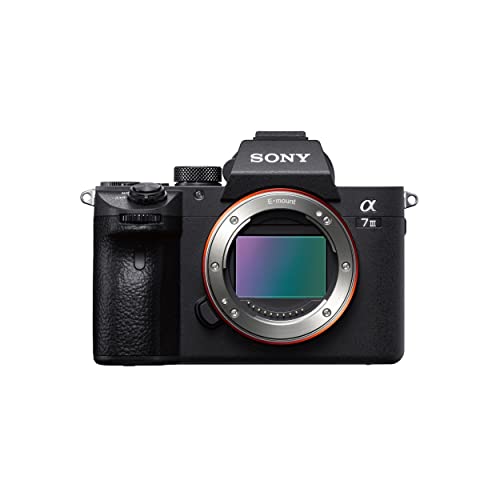
Sony Alpha A7 III (Body)
- Sensor
- 24.2MP Full-Frame
- AF Points
- 693 Phase-Detect
- IBIS
- 5-axis
- Video
- 4K 30fps
- Burst
- 10fps
- Card Slots
- Dual SD
The Sony Alpha A7 III is a full-frame workhorse that has anchored the category since its launch. Its 24.2MP sensor works with a 693-point autofocus system and 5-axis in-body stabilisation for dependable results in low light. With 10fps burst shooting, 4K 30fps video and dual SD card slots, it covers stills and video without compromise.
- + Industry-proven workhorse
- + excellent low-light performance
- + outstanding battery life
- + robust build
- - Older LCD screen
- - 8-bit internal video
- - dated menu system
Canon EOS R8 (Body)
- Sensor
- 24.2MP Full-Frame
- AF System
- Dual Pixel CMOS AF II
- IBIS
- None
- Video
- 4K 60fps uncropped
- Burst
- 40fps (E-Shutter)
- Weight
- 461g (lightest FF)
Canon's R8 brings professional full-frame performance in a remarkably compact body. At just 461g, it's the lightest full-frame mirrorless available. The Dual Pixel CMOS AF II is Canon's best autofocus system yet, with subject detection for people, animals, and vehicles. 4K 60fps uncropped video makes it exceptional for content creators. The RF mount opens access to Canon's stellar lens lineup.
- + Compact and lightweight
- + excellent AF
- + 4K 60fps
- + modern connectivity
- + affordable FF entry
- - No IBIS
- - single SD card slot
- - overheating in 4K
- - limited battery life
Nikon Z5 (Body)
- Sensor
- 24.3MP Full-Frame
- AF Points
- 273 Hybrid
- IBIS
- 5-axis (5 stops)
- Video
- 4K 30fps
- Burst
- 4.5fps
- Card Slots
- Dual SD
The Nikon Z5 is the most affordable way to enter full-frame mirrorless photography. Despite its entry-level pricing, it doesn't compromise on essentials: dual SD card slots, 5-axis IBIS, and weather sealing. The 24.3MP sensor produces stunning images with Nikon's renowned color science. Ergonomics are exceptional - Nikon's decades of DSLR experience shine through in the comfortable grip and intuitive controls.
- + Most affordable full-frame option
- + dual card slots
- + weather-sealed
- + excellent ergonomics
- - Limited video specs
- - slower AF than Sony/Canon
- - fewer native lenses
Sony Alpha A6700 (Body)
- Sensor
- 26MP APS-C
- AF System
- AI-powered
- IBIS
- 5-axis (5 stops)
- Video
- 4K 120fps
- Burst
- 11fps
- LCD
- Fully articulating
The A6700 brings Sony's latest AI-powered autofocus to the APS-C format. Subject recognition for humans, animals, birds, insects, vehicles, and trains works phenomenally well. 4K 120fps recording makes it a content creator's dream for smooth slow-motion. The compact body pairs perfectly with Sony's extensive APS-C lens lineup. It's essentially an A7 IV in APS-C form.
- + Latest AI AF technology
- + compact size
- + excellent video specs
- + massive lens selection
- - Crop sensor
- - overheating warnings
- - menu complexity
- - smaller battery
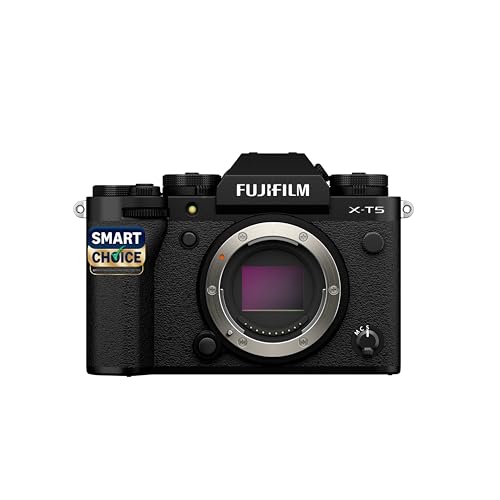
Fujifilm X-T5 (Body)
- Sensor
- 40MP X-Trans APS-C
- AF Points
- 425 Phase-Detect
- IBIS
- 7-stop (best IBIS)
- Video
- 6.2K 30fps
- Film Sims
- 19 modes
- Design
- Classic dials
The X-T5 packs 40 megapixels into an APS-C sensor - matching many full-frame cameras in resolution. Fujifilm's X-Trans sensor design eliminates the need for an optical low-pass filter, resulting in incredible sharpness. The 7-stop IBIS is class-leading, enabling handheld shots at impossibly slow shutter speeds. Fujifilm's legendary color science and 19 Film Simulations deliver stunning JPEGs straight out of camera.
- + Highest resolution APS-C
- + legendary color science
- + retro design
- + phenomenal IBIS
- - Expensive for APS-C
- - smaller lens selection
- - complex menus
- - heavy for compact class
Canon EOS R6 (Body)
- Sensor
- 20MP Full-Frame
- AF System
- Dual Pixel CMOS AF II
- IBIS
- 8-stop (best in class)
- Video
- 4K 60fps
- Burst
- 20fps
- Build
- Weather-sealed pro
The Canon R6 is a professional-grade camera built for demanding work. Its 8-stop IBIS is the most effective stabilization available, enabling sharp handheld shots at incredibly slow shutter speeds. The 20MP sensor is optimized for low-light performance rather than resolution - it excels in dim conditions. 20fps burst shooting with full AF tracking makes it formidable for action and wildlife. The weather-sealed magnesium body inspires confidence in any environment.
- + Professional build quality
- + best-in-class IBIS
- + incredible AF
- + excellent ergonomics
- - At price ceiling
- - lower resolution
- - no CFexpress
- - overheating in extended video
Nikon Z6 II (Body)
- Sensor
- 24.5MP Full-Frame
- Processors
- Dual EXPEED 6
- IBIS
- 5-axis (5 stops)
- Video
- 4K 60fps
- Burst
- 14fps
- Card Slots
- Dual (CFexpress + SD)
The Z6 II improves on the original with dual EXPEED 6 processors for better performance and 4K 60fps video. The hybrid card slots (CFexpress + SD) offer flexibility and speed. Nikon's color science produces beautiful skin tones and natural colors. The robust build quality and weather sealing make it reliable for professional use. While AF isn't as advanced as Sony/Canon, it's more than capable for most situations.
- + Dual processors for better performance
- + excellent video quality
- + robust build
- + dual cards
- - Older AF system
- - limited lens selection
- - slower burst rate than competition
Which mirrorless camera to buy
Here is who each pick is for, based on the comparison above.
Sony Alpha A7 III (Body) · ₹1,27,490
Industry-proven full-frame workhorse with outstanding battery life
Check Price on Amazon →Sony Alpha A6700 (Body) · ₹1,21,490
4K 120fps with AI-powered autofocus for content creators
Check Price on Amazon →Fujifilm X-T5 (Body) · ₹1,46,008
40MP resolution with legendary Fuji color science
Check Price on Amazon →Nikon Z5 (Body) · ₹94,990
Most affordable full-frame with dual card slots
Check Price on Amazon →Portrait, macro and landscape lenses, wireless mics and fast SD cards each have their own ranking. Start with the lens: it outlasts the body.
Compare lenses, mics and accessories →How to choose a mirrorless camera
-
Full-Frame vs APS-C
Full-frame sensors offer superior low-light performance, shallower depth of field, and better dynamic range. APS-C sensors are lighter, more compact, and provide extra reach for telephoto work (1.5x crop). For professional photography and video, full-frame is preferred. For travel and wildlife, APS-C offers better portability. -
Lens Ecosystem Matters
Sony E-mount has the largest selection (90+ native lenses). Canon RF is expanding rapidly with excellent optics. Nikon Z mount has quality over quantity. Fuji X-mount excels in compact primes. Consider your future lens investment before choosing a system - lenses often outlast camera bodies. -
Video vs Photography Priority
Video creators should prioritize 4K 60fps, 10-bit recording, and good heat management. Photographers need faster burst rates, buffer depth, and dual card slots. Sony A7 III and Canon R6 excel in photography. Sony A6700 and Canon R8 are video-centric.
Frequently asked questions
What is the best mirrorless cameras in India?
Should I buy full-frame or APS-C for my first serious camera?
Which brand has the best lens selection in India?
Do I really need IBIS or can I rely on lens stabilization?
What's the real-world battery life for mirrorless cameras?
Is it worth buying older models like the Sony A7 III in 2026?
What accessories should I budget for besides the camera body?
Should I buy from Amazon India or local camera stores?
Can I use my Canon/Nikon DSLR lenses on mirrorless cameras?
You may also like
More guides and reviews to help you decide.
Find the best smartphone gimbal in India 2026. Compare DJI & more with expert reviews, prices & pros and cons.
Read more →Find the best tripod under 2000 in India 2026. Research-based reviews with detailed comparisons, prices, pros & cons to help you pick the right one.
Read more →Find the best tripod under 1000 in India 2026. Compare Amazon Basics & more with research-based reviews, prices & pros and cons.
Read more →Find the best portrait photography lens India offers. Compare Canon, Nikon, Sony 50mm & 85mm lenses with f/1.4-f/1.8 aperture. Verified prices & reviews.
Read more →Find the best led video light in India 2026. Research-based reviews with detailed comparisons, prices, pros & cons to help you pick the right one.
Read more →Find the best camera bag India offers. Compare Lowepro, Vanguard, K&F Concept backpacks, slings & cases for DSLR/mirrorless. Verified prices & in-depth reviews.
Read more →