
PRODUCT REVIEW
Best Premium Yoga Mats in Natural Rubber in India 2026
Find the best premium yoga mat in India 2026. Compare Gaiam & more with expert reviews, prices & pros and cons.
 By Naveen Bhavnani
Updated
By Naveen Bhavnani
Updated
As an Amazon Associate we earn from qualifying purchases. We could also earn a fee through some links when you click on them.

Yoga mat picks by practice style
Already covered the winner above — here are the picks for specific needs.
Yoga mats compared on thickness
How the shortlist stacks up. Scroll sideways on mobile.
| WWCD Score | Product | Material | Thickness | Price | Deal |
|---|---|---|---|---|---|
| 9.2/10 | MeFree Natural Rubber | Natural Rubber + PU | 4.5mm | ₹5,300 | Check Price |
| 9.0/10 | Proyog Rubber + Cotton | Rubber + Cotton | 2mm | ₹5,499 | Check Price |
| 8.9/10 | Gaiam Print 4mm | PVC (6P Free) | 4mm | ₹5,273 | Check Price |
| 8.7/10 | Gaiam Performance TPE 6mm | TPE | 6mm | ₹6,349 | Check Price |
Yoga mat reviews: grip, thickness and material
Specs, the honest pros and cons, and who each one is for.
MeFree Natural Rubber Yoga Mat
- Material
- Natural Rubber + PU
- Thickness
- 4.5mm
- Eco-Friendly
- Yes, Biodegradable
- PVC Free
- Yes
- Best For
- Hot Yoga, Sweaty Practice
- Weight
- Heavier (Natural Rubber)
The MeFree Natural Rubber Yoga Mat is the ultimate choice for hot yoga and sweaty practices. Its natural rubber base combined with an eco-friendly PU top layer delivers exceptional non-slip performance that actually improves with moisture. The 4.5mm thickness strikes the perfect balance between cushioning and stability. The closed-cell PU surface is sweat-resistant and prevents odor build-up, making it ideal for daily intensive practice. This mat is built to last with anti-tear, high-density construction that resists stretching and deformation.
- + Exceptional grip even during sweaty sessions
- + eco-friendly natural rubber construction
- + optimal 4.5mm cushioning for joints
- + closed-cell surface prevents moisture absorption
- + durable anti-tear design
- - New rubber smell (fades after airing)
- - heavier than synthetic mats
- - premium price point
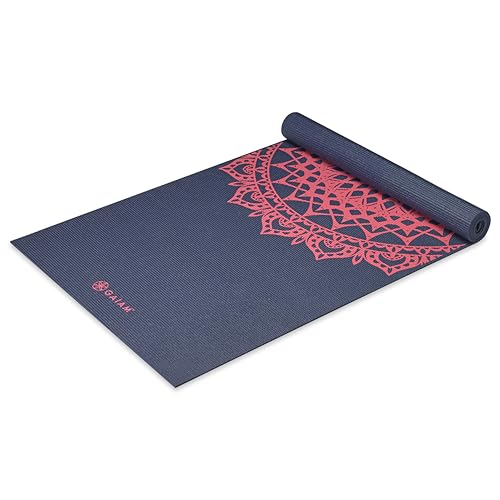
Gaiam Print Yoga Mat 4mm
- Material
- PVC (6P Free)
- Thickness
- 4mm
- Design
- Pink Marrakesh Print
- Non-Toxic
- Yes, 6P Free
- Weight
- Lightweight
- Best For
- Travel, Studio Classes
The Gaiam Print Yoga Mat combines premium performance with stunning aesthetics. As a trusted international brand, Gaiam delivers consistent quality with their signature sticky non-slip texture. The Pink Marrakesh design is not just beautiful—it's motivating, making your practice something to look forward to. This lightweight mat is perfect for yogis who travel to studios or practice in different locations. The 6P-free PVC construction ensures it's free from harmful phthalates (DEHP, DBP, BBP, DINP, DIDP, DNOP), making it a healthier choice for both you and the planet.
- + Aesthetically beautiful design
- + lightweight and portable
- + excellent non-slip texture
- + trusted international brand
- + non-toxic 6P free PVC
- + great for travel
- - PVC material not as eco-friendly as rubber
- - thinner cushioning may not suit all
- - may require airing before use
Proyog Natural Rubber + Cotton
- Material
- Rubber + Cotton
- Thickness
- 2mm
- Eco-Friendly
- 100% Biodegradable
- PVC Free
- Yes
- Bonus
- Free Yoga Mat Band
- Best For
- Travel, Ashtanga
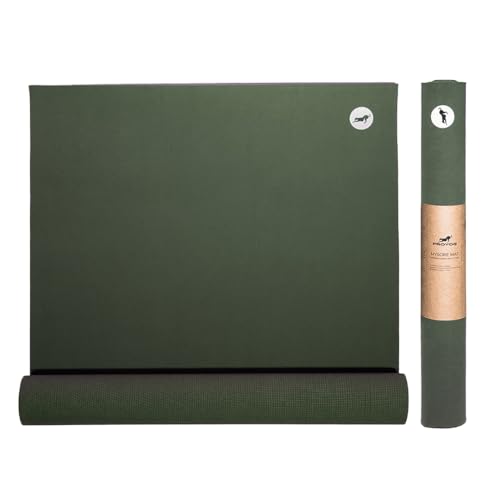
The Proyog Yoga Mat is the most eco-conscious choice in this selection. Combining natural rubber with cotton mesh creates an exceptional grip experience while remaining 100% biodegradable. The cotton texture adds natural traction that prevents slippage, making it ideal for sweaty practices. At just 2mm thick, this is a travel-friendly mat that can be easily rolled and carried. Endorsed by professional yoga teachers, it provides just the right amount of cushioning without sacrificing pose integrity. The natural materials create a close-to-earth feel that enhances your connection to yoga principles. Free from petroleum-based chemicals, it's safe for you and the environment.
- + Eco-friendly rubber and cotton materials
- + excellent grip from cotton mesh texture
- + ultra-portable 2mm thickness
- + biodegradable and sustainable
- + close-to-earth feel enhances practice
- + free carrying band
- - Thinner 2mm cushioning (better for experienced yogis)
- - may need additional cushion for sensitive joints
- - natural materials require more care
Gaiam Performance TPE 6mm
- Material
- TPE (Recyclable)
- Thickness
- 6mm Extra Thick
- Design
- Reversible Dual Texture
- Weight
- 3.7 lbs (1.7 kg)
- Size
- 68" x 24"
- Best For
- Joint Protection, Beginners
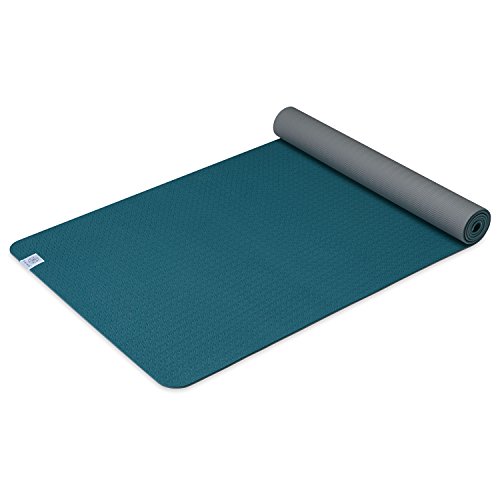
The Gaiam Performance TPE Yoga Mat offers extra thick 6mm cushioning - the thickest in this premium selection. Made from biodegradable and recyclable TPE (Thermoplastic Elastomer), it's a healthier alternative to PVC without sacrificing performance. The closed-cell design seals out germs, odors, and bacteria, keeping your mat fresh and sanitary. What makes it truly unique is the reversible design with two different textures - choose the texture that suits your mood or practice style. The no-slip surface provides superior traction and cushion, making it ideal for restorative yoga, Pilates, and floor exercises. At 3.7 lbs, it's a substantial mat that stays in place during practice.
- + Extra thick 6mm for maximum comfort
- + biodegradable and recyclable TPE
- + closed-cell design prevents germs and odors
- + reversible design offers versatility
- + excellent cushioning for joint protection
- - Highest price in this selection
- - TPE can be less grippy when very sweaty
- - heavier weight (3.7 lbs)
Which yoga mat to buy
Here is who each pick is for, based on the comparison above.
MeFree Natural Rubber Yoga Mat · ₹5,300
Natural rubber + PU, superior grip
Check Price on Amazon →Gaiam Print Yoga Mat 4mm · ₹5,273
Lightweight, beautiful design
Check Price on Amazon →Proyog Natural Rubber + Cotton · ₹5,499
Biodegradable, teacher-endorsed
Check Price on Amazon →Gaiam Performance TPE 6mm · ₹6,349
Extra thick, joint protection
Check Price on Amazon →How to choose a premium yoga mat
-
Why Premium Yoga Mats Matter
Premium yoga mats (₹5,000-10,000) offer superior durability, lasting 5-10 years vs 1-2 years for budget mats. Natural rubber and TPE materials provide unmatched grip during hot yoga and sweaty practices. Eco-friendly materials are biodegradable and free from harmful PVC chemicals. Better cushioning protects joints during daily practice. Investment perspective: ₹5,000 mat used 5 years = ₹2.7/day vs budget mat replaced annually. -
Natural Rubber vs TPE vs PVC Materials
Natural Rubber (MeFree, Proyog): Best grip, eco-friendly, biodegradable, heavier, natural smell fades. Pros: Unbeatable grip when wet, sustainable. Cons: Weight, initial odor. TPE (Gaiam Performance): Lightweight, biodegradable, hypoallergenic, closed-cell. Pros: No smell, recyclable. Cons: Less grippy when very sweaty. PVC (Gaiam Print): Lightweight, affordable, sticky texture. Pros: Portable, budget-friendly. Cons: Not biodegradable, may off-gas. -
Thickness Guide for Different Practices
2mm (Proyog): Travel yoga, experienced practitioners, Ashtanga. Best for: Stability, portability, feeling connected to ground. 4-4.5mm (MeFree, Gaiam Print): Balanced cushioning for most yoga styles. Best for: Vinyasa, Hatha, daily practice. 6mm+ (Gaiam Performance): Maximum cushioning for sensitive joints. Best for: Restorative yoga, beginners, floor exercises. Pro tip: Thicker = more comfortable but less stability for balancing poses. -
Hot Yoga & Grip Technology
Hot yoga requires specific mat properties. Natural rubber (MeFree, Proyog) becomes stickier when wet - ideal for Bikram and hot vinyasa. PU top layers (MeFree) provide sweat-absorbent surface. Closed-cell design (Gaiam Performance, MeFree) prevents moisture penetration. Open vs Closed Cell: Open cell absorbs sweat (better grip, harder to clean). Closed cell resists moisture (easier maintenance, sanitary). Cotton mesh (Proyog) adds natural texture for grip. -
Sustainability & Eco-Consciousness
Natural Rubber: Tapped from rubber trees, fully biodegradable, carbon-negative production. Cotton (Proyog): Plant fiber, biodegradable, low chemical content. TPE: Recyclable, biodegradable, no PVC. PVC: Non-biodegradable, petroleum-based, but 6P-free versions safer. Eco certifications: Look for OEKO-TEX, non-toxic claims. Disposal: Natural rubber and TPE can be composted. PVC requires recycling facility. Investment in eco-friendly mat reduces environmental impact over its 5-10 year lifespan. -
Maintenance for Premium Mats
Natural Rubber: Wipe with damp cloth + mild soap after practice. Air dry away from direct sunlight (UV damages rubber). Store rolled with outside facing out. Avoid oils/lotions before practice. PVC/TPE: Machine washable some models (check specs). Can use mat cleaner sprays. More UV resistant. Cotton/Mesh: Requires more frequent cleaning. Can hand wash with mild detergent. Ensure complete drying to prevent mildew. Pro tip: Premium mats need proper care to last 5-10 years.
Frequently asked questions
What is the best premium yoga mats in India?
Is natural rubber better than PVC for yoga mats?
Which mat is best for hot yoga in India?
How thick should a premium yoga mat be?
Are these mats good for beginners?
How long do premium yoga mats last?
Do natural rubber mats smell?
Can I wash these mats in a washing machine?
Is ₹5,000-6,000 worth it for a yoga mat?
Which mat is most eco-friendly?
Do I need a yoga mat towel with these mats?
You may also like
More guides and reviews to help you decide.
Find the best weight bench in India 2026 — adjustable FID and flat benches compared on build quality, weight capacity, padding and value.
Read more →Find the best treadmill in India 2026 across every budget. Compare Durafit, Fitkit & Cockatoo with research-based reviews, prices & pros and cons.
Read more →Find the best exercise bike under 15000 in India 2026. Compare PowerMax, Lifelong, Fitkit with research-based reviews, prices, pros & cons.
Read more →Find the best fixed weight dumbbell in India 2026. Compare Amazon Basics & more with research-based reviews, prices & pros and cons.
Read more →Find the best dumbbells in India 2026. Research-based reviews with detailed comparisons, prices, pros & cons to help you pick the right one.
Read more →2HP continuous motor for running, 4HP peak for 90kg+ users. Manual vs auto incline, foldable designs. Budget ₹15,000 to ₹50,000+ options explained.
Read more →