
PRODUCT REVIEW
Best Pressure Cookers in India 2026
Find the best pressure cooker in India 2026. Compare Prestige, Pigeon & more with research-based reviews, prices & pros and cons.
 By Naveen Bhavnani
Updated
By Naveen Bhavnani
Updated
As an Amazon Associate we earn from qualifying purchases. We could also earn a fee through some links when you click on them.

Pressure cooker picks by budget
Already covered the winner above — here are the picks for specific needs.
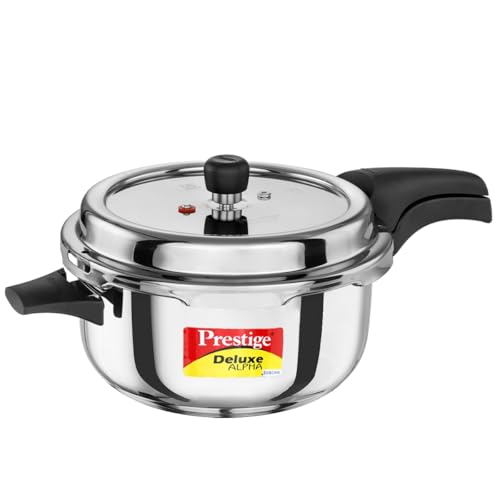
Prestige Deluxe Alpha 5L Stainless Steel


Hawkins Contura Black 5L Hard Anodized
Pressure cookers compared on price
How the shortlist stacks up. Scroll sideways on mobile.
| WWCD Score | Product | Key Feature | Price | Deal |
|---|---|---|---|---|
| 8.9/10 | Prestige Deluxe Alpha 5L SS | 10yr warranty, TRIPLY | ₹2,899 | Check Price |
| 8.8/10 | Hawkins Contura Black 5L | Hard anodized, non-stick | ₹2,767 | Check Price |
| 8.7/10 | Prestige Deluxe Alpha 3L SS | Compact, Svachh lid | ₹2,430 | Check Price |
| 8.6/10 | Hawkins Contura 5L with Dishes | Induction, dish set | ₹4,250 | Check Price |
| 8.5/10 | Wonderchef Nigella 5L Triply | Tri-ply, 5yr warranty | ₹2,492 | Check Price |
| 8.4/10 | Stahl Xpress 5L Triply | Broad base, premium | ₹3,899 | Check Price |
| 8.3/10 | Pigeon SS Combo 2L+3L+5L | 3-piece combo | ₹2,799 | Check Price |
| 8.2/10 | Hawkins Miss Mary 3L | Best budget | ₹1,125 | Check Price |
| 8.1/10 | Prestige Popular Plus 3L | Budget aluminum | ₹1,490 | Check Price |
| 8.0/10 | Pigeon Inox 3L SS | Affordable SS | ₹1,345 | Check Price |



Pressure cooker reviews: safety, size and lid type
Specs, the honest pros and cons, and who each one is for.
Hawkins Miss Mary 3L Aluminum
- Capacity
- 3L (2-3 persons)
- Material
- Aluminum
- Induction
- Gas Only
- Lid Design
- Inner Lid
- Safety
- Shielded Valve
- Certification
- ISI
The Hawkins Miss Mary is the most affordable option from a trusted brand - perfect for those on tight budgets who still want reliable Hawkins quality. Every cooker is tested at the factory and will not leak, backed by Hawkins' quality certification. The pressure-locked safety lid won't open until pressure drops completely - crucial for safety. The shielded safety valve prevents any sputtering of hot contents. The inner lid design is leak-proof and ideal for curries. While basic aluminum and gas-only, this is a dependable workhorse that millions of Indian households trust.
- + Reliable Hawkins quality
- + budget-friendly
- + excellent safety features
- + leak-proof design
- + good for gas stoves
- + trusted brand
- - Not induction compatible
- - basic aluminum construction
- - limited features
- - recommended for gas cooktops only
Pigeon Inox 3L Stainless Steel
- Capacity
- 3L (2-3 persons)
- Material
- Stainless Steel
- Base Type
- 5mm Encapsulated
- Induction
- Yes
- Lid Design
- Outer Lid
- Warranty
- 2 Years
The Pigeon Inox delivers stainless steel quality at an aluminum price - making it the most affordable entry point into stainless steel pressure cooking. The 5mm encapsulated bottom ensures even heat distribution across gas and induction cooktops. The outer lid design with knob lock system makes it easy to open and clean. The food-grade nitrile gasket is durable and safe. While build quality is basic compared to premium brands, it's excellent value for those wanting stainless steel benefits (no reactivity, dishwasher safe) without premium pricing.
- + Affordable stainless steel option
- + induction compatible
- + easy to clean
- + good value for money
- + trusted Indian brand
- - Basic build quality
- - thin steel reported
- - handle durability concerns
- - limited warranty coverage
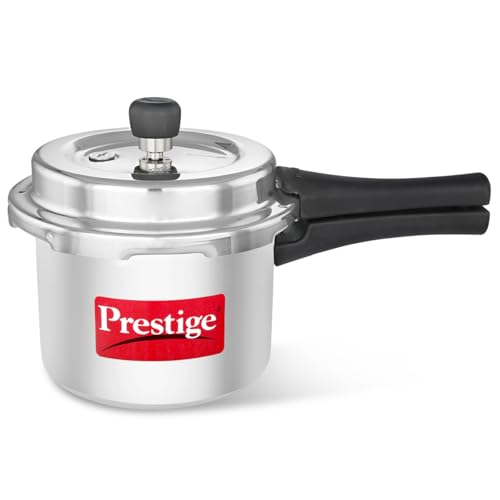
Prestige Popular Plus 3L Aluminum
- Capacity
- 3L (2-3 persons)
- Material
- Virgin Aluminum
- Induction
- Yes
- Lid Design
- Svachh Deep Lid
- Safety
- GRS System
- Warranty
- 5 Years
The Prestige Popular Plus brings premium features at a budget-friendly price. Made from virgin aluminum for purity, it features the same Svachh deep lid found in the premium Alpha series, preventing spillage when opening. The Gasket Release System (GRS) provides safety backup if pressure exceeds limits. Surprisingly, this aluminum model is induction compatible - rare in budget aluminum cookers. The 5-year warranty from Prestige's extensive service network adds peace of mind. Lightweight and easy to handle, it's perfect for quick daily cooking.
- + Budget-friendly
- + lightweight design
- + good spillage control
- + 5-year warranty
- + suitable for small families
- + wide service network
- - Handle damage issues reported
- - safety valve problems in some units
- - aluminum less durable than steel
Prestige Deluxe Alpha 3L Stainless Steel
- Capacity
- 3L (2-3 persons)
- Material
- SS 304
- Base Type
- TRIPLY Alpha
- Induction
- Yes
- Lid Design
- Svachh Deep Lid
- Warranty
- 10 Years
The compact version of our top pick, the Prestige Deluxe Alpha 3L is perfect for small families and couples. It offers the same premium features as the 5L model - SS 304 food-grade stainless steel, TRIPLY Alpha base for even heating, and the innovative Svachh deep lid that prevents spillage. The 10-year warranty ensures this investment lasts over a decade. Ideal for daily dal, rice, and small curry portions. Works on both gas and induction cooktops.
- + Excellent build quality
- + induction & gas compatible
- + deep lid prevents spillage
- + 10-year warranty
- + widely available service network
- + SS304 grade
- - Lid can be difficult to close initially
- - some users report thin base
- - handle durability issues reported
Wonderchef Nigella 5L Triply
- Capacity
- 5L (4-6 persons)
- Material
- Tri-Ply SS
- Construction
- SS304+AL+SS430
- Induction
- Yes
- Lid Design
- Outer Lid
- Warranty
- 5 Years
The Wonderchef Nigella offers premium tri-ply construction at a competitive price point. The 3-layer design (SS304 + Aluminum + SS430) ensures excellent heat distribution and faster cooking while maintaining durability. The food-grade silicone gasket lasts longer than rubber gaskets and doesn't crack with age. At 50% off its original price, this is an excellent value proposition for families wanting premium quality without the Prestige/Hawkins premium. The Italian-inspired design and German quality standards make it stand out aesthetically and functionally.
- + Premium tri-ply construction
- + excellent heat distribution
- + 5-year warranty
- + good capacity for families
- + induction compatible
- - Higher price point
- - limited service network
- - newer brand in pressure cooker segment
Hawkins Contura Black 5L Hard Anodized
- Capacity
- 5L (4-6 persons)
- Material
- Hard Anodized
- Coating Thickness
- 60 Microns
- Induction
- Gas Only
- Lid Design
- Inner Lid
- Base Thickness
- 3.25mm
The Hawkins Contura represents the best of hard anodized technology with its premium 60-micron thick coating that creates a naturally non-stick, corrosion-resistant surface. The black finish not only looks sleek but also hides stains and maintains appearance over years of use. The 3.25mm thick base ensures even heat distribution and energy-efficient cooking - saving up to 20% on gas bills. The inner lid design is leak-proof and perfect for curry-heavy Indian cooking. Hawkins' legendary build quality means this cooker will last 15+ years with proper care.
- + Premium hard anodised coating
- + energy efficient
- + faster heat absorption
- + excellent durability
- + ideal for curries and gravies
- + non-stick surface
- - Not induction compatible
- - some users report leakage from gasket
- - heavier than aluminum
Pigeon Special SS Combo 2L+3L+5L
- Capacities
- 2L+3L+5L
- Material
- Stainless Steel
- Base Type
- Encapsulated 5mm
- Induction
- Yes (All 3)
- Lid Design
- Outer Lid
- Warranty
- 2 Years
This 3-piece combo set offers incredible value - you get three stainless steel cookers (2L, 3L, and 5L) for less than the price of a single premium cooker. The 2L is perfect for daily dal, the 3L for rice and small curries, and the 5L for family meals and batch cooking. All three are induction compatible with encapsulated 5mm bases for even heating. The outer lid design makes them easy to clean. While individual build quality may not match premium brands, the versatility of having three sizes makes this ideal for Indian kitchens where multiple dishes are prepared simultaneously.
- + Great value combo set
- + versatile sizes
- + durable stainless steel
- + induction compatible
- + ergonomic handles
- + good safety features
- - Mixed reviews on durability
- - handle issues after extended use
- - functionality concerns from some users
- - quality control issues
Prestige Deluxe Alpha 5L Stainless Steel
- Capacity
- 5L (4-6 persons)
- Material
- SS 304
- Base Type
- TRIPLY Alpha
- Induction
- Yes
- Lid Design
- Svachh Deep Lid
- Warranty
- 10 Years
The Prestige Deluxe Alpha is our top pick for Indian families with its perfect blend of quality, capacity, and warranty. The SS 304 food-grade stainless steel ensures no metal leaching into your food, while the TRIPLY Alpha base (3-layer construction) delivers even heat distribution on both gas and induction cooktops. The innovative Svachh deep lid prevents spillovers when opening under pressure - a game-changer for busy kitchens. The 10-year warranty is the longest in the industry, backed by Prestige's extensive service network across India.
- + Excellent build quality
- + induction & gas compatible
- + deep lid prevents spillage
- + 10-year warranty
- + perfect family size
- + widely available service network
- - Lid can be difficult to close initially
- - some users report thin base
- - higher price point
Stahl Xpress 5L Triply
- Capacity
- 5L (4-6 persons)
- Material
- Triply SS
- Construction
- SS+AL+SS
- Induction
- Yes
- Lid Design
- Outer Lid
- Warranty
- 5 Years
The Stahl Xpress features premium triply construction with a unique broad base design that maximizes heat distribution and cooking surface area. The 0% aluminum contact with food ensures only stainless steel touches your meals - perfect for health-conscious families. Built to withstand 6 times the operating pressure, this cooker is tested for extreme durability. The smooth operation with easy open-close mechanism makes it convenient for daily use. While the brand is newer in the Indian market, the quality rivals established premium brands at a more competitive price point.
- + Premium triply construction
- + excellent heat distribution
- + broad base design
- + 5-year warranty
- + induction compatible
- - Higher price point
- - limited brand recognition
- - smaller service network
- - newer in market
Hawkins Contura Hard Anodized 5L with Dish Set
- Capacity
- 5L (4-6 persons)
- Material
- Hard Anodized
- Induction
- Yes
- Lid Design
- Inner Lid
- Includes
- 2-Dish Set
- Warranty
- 5 Years
This premium bundle combines the trusted Hawkins Contura hard anodized cooker with a 2-dish separator set, allowing you to cook two dishes simultaneously - perfect for preparing rice and dal together, or main course and dessert at once. Unlike the gas-only standard Contura, this version is induction compatible with a magnetic base. The hard anodized containers are non-toxic, non-reactive, and highly thermal-efficient. The stainless steel wire stand ensures safe stacking. This is the ultimate solution for efficient Indian cooking where multiple dishes are part of every meal.
- + Premium hard anodized
- + induction compatible
- + includes separator dishes
- + excellent heat distribution
- + trusted Hawkins brand
- - Highest price point
- - heavier than regular aluminum
- - dish set may not be necessary for all users
Which pressure cooker to buy
Here is who each pick is for, based on the comparison above.
Prestige Deluxe Alpha 5L Stainless Steel · ₹2,899
10yr warranty, TRIPLY, Svachh lid
Check Price on Amazon →Wonderchef Nigella 5L Triply · ₹2,492
Tri-ply, 5yr warranty, family size
Check Price on Amazon →Hawkins Contura Black 5L Hard Anodized · ₹2,767
Hard anodized, non-stick, durable
Check Price on Amazon →Hawkins Miss Mary 3L Aluminum · ₹1,125
Under ₹1,200, reliable, gas stove
Check Price on Amazon →How to choose a pressure cooker
-
Stainless Steel vs Aluminum: Which is Better?
Stainless steel cookers (Prestige Alpha, Pigeon Inox) are more durable, dishwasher-safe, and don't react with acidic foods. They cost ₹2,000-3,000 but last 15-20 years. Aluminum cookers (Hawkins Miss Mary, Prestige Popular Plus) are lightweight, heat faster, cost ₹1,000-1,500 but last 8-10 years. Hard anodized aluminum (Hawkins Contura) combines durability with heat efficiency. For long-term investment and induction compatibility, choose stainless steel. For budget and gas cooking, aluminum works well. -
Essential Safety Features to Look For
ISI certification is mandatory - it ensures the cooker meets Bureau of Indian Standards safety requirements. Look for triple safety systems: Gasket Release System (GRS) releases pressure through lid, Metallic Safety Plug (MSP) vents excess steam, and Visual Pressure Indicator (VPI) shows when safe to open. All recommended models have these features. Never buy non-ISI certified cookers regardless of price savings. -
Choosing the Right Size for Your Family
2-3L serves 1-2 persons (singles/couples), 3-3.5L serves 2-4 persons (small families), 5-6L serves 4-6 persons (medium families), 7L+ serves 6+ persons (large families/joint families). Consider cooking needs - buy one size larger if you batch cook or entertain frequently. Most homes need 2 cookers: 3L for daily use and 5L for weekend/guests. Combo sets offer excellent value. -
Induction vs Gas Compatibility
Induction-compatible cookers (Prestige Alpha TRIPLY, Pigeon Inox, Hawkins Contura Induction) have magnetic base and cost ₹200-500 more. They work on both gas and induction. Non-induction models (Hawkins Miss Mary, regular Contura) work only on gas stoves. Check your cooktop before buying. Triply bases (3-layer construction) ensure even heat distribution on all cooktops. -
Inner Lid vs Outer Lid Design
Inner lid cookers (Hawkins Contura, Miss Mary) sit inside the rim, are leak-proof, ideal for curries and gravies but harder to clean. Outer lid cookers (Prestige Alpha, Pigeon Inox) sit on top, easier to clean, better for rice and starch draining, but may drip if overfilled. Svachh/deep lid designs (Prestige) prevent spillage. Choose based on primary cooking use. -
Understanding Triply and Hard Anodized Construction
Triply construction (Prestige Alpha, Wonderchef Nigella, Stahl Xpress) has 3 layers: SS+Aluminum+SS for even heat distribution and durability. Hard anodized (Hawkins Contura) is aluminum treated to create non-stick, corrosion-resistant surface 60-microns thick. Both are premium options. Triply works on induction, hard anodized may not unless specifically designed for induction. Choose triply for versatility, hard anodized for gas cooking performance. -
Warranty and Service Network
Prestige offers 10-year warranty on stainless steel, 5 years on aluminum, with excellent service network across India. Hawkins provides 5-year warranty with good tier-1/tier-2 city coverage. Pigeon offers 2 years with expanding network. Wonderchef and Stahl offer 5 years. Check local service center availability before purchase. Warranty covers manufacturing defects, not wear parts like gaskets (₹50-150 replacement annually).
Frequently asked questions
What is the best pressure cookers in India?
Which is better for Indian cooking - stainless steel or aluminum pressure cooker? ⌄
How do I choose the right pressure cooker capacity for my family size? ⌄
Is ISI certification really necessary? What does it mean? ⌄
How often do I need to replace the gasket (rubber seal)? ⌄
What's the difference between inner lid and outer lid pressure cookers? ⌄
Do I really need an induction-compatible pressure cooker if I have a gas stove? ⌄
Is triply construction worth the extra cost? ⌄
How do I maintain my pressure cooker to ensure it lasts longer? ⌄
Which brand has the best service network in India? ⌄
Can I use my pressure cooker on an induction cooktop even if it's not labeled induction-compatible? ⌄
You may also like
More guides and reviews to help you decide.
We analysed 1,100+ verified owner reviews to rank the 11 best electric pressure cookers in India — Nutricook, AGARO, Libra, Geek Robocook, Prestige and more.
Read more →Find the best stainless steel pressure cooker India offers. Compare Hawkins, Prestige, Vinod with 304 grade SS and ISI certification. Verified prices.
Read more →