
PRODUCT REVIEW
Best Baby Bottle Sterilizer in India 2026
Find the best baby bottle sterilizer in India 2026. Compare Philips & more with research-based reviews, prices & pros and cons.
 By Naveen Bhavnani
Updated
By Naveen Bhavnani
Updated
Medical disclaimer
This content is for educational purposes only and is not a substitute for professional medical advice, diagnosis, or treatment. Always consult a qualified healthcare provider before starting any supplement or making health decisions. For pediatric concerns, consult your child's paediatrician.
As an Amazon Associate we earn from qualifying purchases. We could also earn a fee through some links when you click on them.

Bottle sterilizer picks by budget
Already covered the winner above — here are the picks for specific needs.
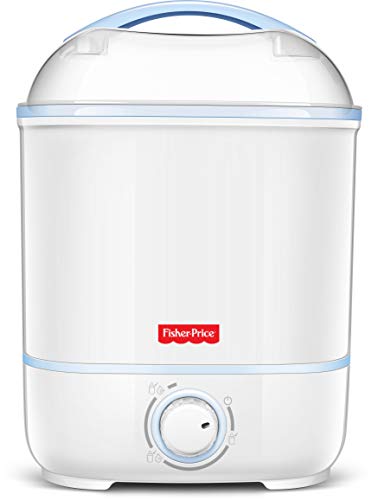
Fisher-Price Automatic Sterilizer & Dryer

Baby Brezza Advanced Sterilizer + Dryer
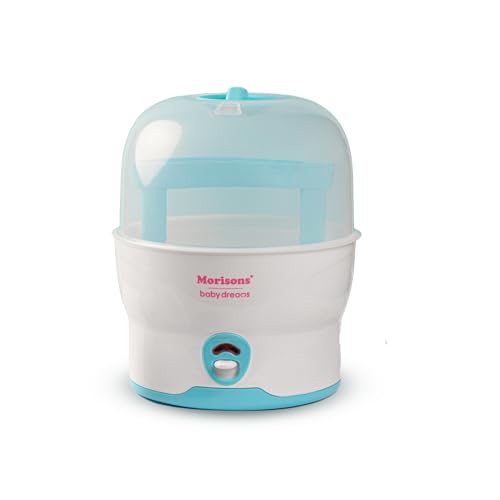
Morisons Baby Dreams Quick Electric Sterilizer
Bottle sterilizer prices compared
How the shortlist stacks up. Scroll sideways on mobile.
| WWCD Score | Product | Key Feature | Price | Deal |
|---|---|---|---|---|
| 9.5/10 | Philips Avent 3-in-1 | 2-year warranty | ₹3,297 | Check Price |
| 9.4/10 | Baby Brezza Advanced | 8 bottles + HEPA | ₹12,749 | Check Price |
| 9.2/10 | Fisher-Price Sterilizer + Dryer | Built-in dryer | ₹4,950 | Check Price |
| 9.0/10 | HealthSense Sterilizer + Dryer | 8-bottle capacity | ₹3,998 | Check Price |
| 8.9/10 | MEDITIVE Foldable | Travel-friendly | ₹2,245 | Check Price |
| 8.8/10 | Mee Mee 3-in-1 | Warmer + sterilizer | ₹2,829 | Check Price |
| 8.7/10 | Morisons Baby Dreams | Best budget | ₹2,099 | Check Price |
| 8.6/10 | Fisher-Price Basic Steam | Reliable & simple | ₹3,150 | Check Price |


Why Bottle Sterilization Matters in India
In India's warm climate, harmful bacteria multiply rapidly on milk residue. Regular washing removes visible dirt but doesn't kill germs. Steam sterilizers eliminate 99.9% of harmful bacteria that cause infections in babies under 12 months with developing immune systems. Pediatricians recommend sterilizing bottles, nipples, pacifiers, and breast pump parts until at least 1 year of age.
Bottle sterilizer reviews: capacity, cycle time and drying
Specs, the honest pros and cons, and who each one is for.
Philips Avent 3-in-1 Electric Steam Sterilizer
- Capacity
- 6 bottles
- Sterilization
- 10 minutes
- Design
- Modular 3-in-1
- Sterile Storage
- 24 hours
- Warranty
- 2 years
- Brand
- Philips Avent
The Philips Avent 3-in-1 Sterilizer is the #1 brand recommended by moms worldwide, and for good reason. Its modular design lets you adjust capacity based on need - use full size for 6 bottles, compact mode for 2 bottles, or even microwave mode when traveling. Natural steam sterilization kills 99.9% of germs in just 10 minutes without chemicals. Contents stay sterile for 24 hours with lid closed. The 2-year warranty and excellent after-sales service make it the most reliable choice for Indian parents.
- + Trusted global brand
- + modular design saves space
- + 2-year warranty
- + fast sterilization
- + excellent build quality
- - Requires regular descaling in hard water areas
- - slightly larger footprint
Fisher-Price Automatic Sterilizer & Dryer
- Capacity
- 6 bottles
- Functions
- 3-in-1 (Sterilize/Dry/Store)
- Power
- 500W
- Air Filter
- 99% filtration
- Control
- One-dial timer
- Safety
- Auto shut-off
The Fisher-Price 3-in-1 Sterilizer & Dryer offers exceptional value by combining sterilization, drying, and storage in one unit. The built-in hot air dryer eliminates the need for separate drying racks and saves 30-45 minutes daily. Its foam filter blocks 99% of airborne contaminants during drying, ensuring bottles stay clean. The one-dial control is incredibly intuitive - just twist to select sterilize-only, sterilize + quick dry, or sterilize + full dry. At ₹4,950, it's the best mid-range option with premium features.
- + Built-in dryer
- + 3-in-1 functionality
- + simple one-dial control
- + food-grade materials
- + reliable brand
- - Higher price point
- - dryer adds to cycle time
Morisons Baby Dreams Quick Electric Sterilizer
- Capacity
- 6 bottles
- Sterilization
- 8 minutes
- Design
- Compact vertical
- Accessories
- Tongs included
- Safety
- Auto shut-off
- Price
- Most affordable
The Morisons Baby Dreams Sterilizer proves you don't need to spend thousands for effective sterilization. At just ₹2,099, it's the most affordable 6-bottle sterilizer with fast 8-minute cycles. Despite the budget price, it includes essential features like auto shut-off, tongs for safe handling, and kills 99.9% of bacteria. The compact vertical design takes minimal counter space. Widely available across India, it's perfect for price-conscious parents who want reliable basic sterilization without premium features.
- + Most affordable option
- + good capacity
- + fast sterilization
- + simple operation
- + widely available
- - Basic build quality
- - no advanced features
- - limited warranty support
MEDITIVE Foldable Baby Bottle Sterilizer
- Design
- Foldable
- Sterilization
- 8 minutes
- Steam
- 360° coverage
- Safety
- Auto shut-off
- Warranty
- 1 year
- Best For
- Travel
The MEDITIVE Foldable Sterilizer is a game-changer for traveling families. Its unique foldable design collapses to half its size, making it easy to pack in luggage or store in small kitchens. The 360° steam disinfection ensures thorough coverage of all bottle surfaces in just 8 minutes. The two-tier design allows independent use of top and bottom chambers. Despite its compact nature, it provides reliable sterilization with auto shut-off safety. Perfect for families who travel frequently or have limited kitchen space. At ₹2,245, it's excellent value for this innovative design.
- + Foldable for storage
- + perfect for travel
- + 360° disinfection
- + compact when not in use
- + good value
- - Smaller capacity when folded
- - newer brand in India
Baby Brezza Advanced Sterilizer + Dryer
- Capacity
- 8 bottles
- Functions
- 4-in-1 design
- Drying
- HEPA-filtered
- Speed
- 33% faster drying
- Pump Sets
- Holds 2 full sets
- Warranty
- 1 year
The Baby Brezza Advanced is the premium choice for families with twins or exclusive pumping mothers. Its 8-bottle capacity is the largest available, holding enough for a full day with twins. The HEPA-filtered drying system removes 95% of germs from the air during drying - far superior to standard dryers. It dries 33% faster than competitors. The modular 4-way design works as sterilizer-only, dryer-only, combined, or storage system. Despite the ₹12,749 premium price, it's the only sterilizer that can handle high-volume needs efficiently.
- + Highest capacity
- + HEPA filtration
- + fastest drying
- + perfect for twins
- + 4-in-1 functionality
- + premium quality
- - Very expensive
- - large footprint
- - overkill for single baby
- - HEPA filters need replacement
Mee Mee 3-in-1 Digital Sterilizer & Warmer
- Functions
- 3-in-1 (Sterilize/Warm/Heat)
- Capacity
- 2 bottles
- Sterilization
- 6 minutes
- Display
- Digital LED
- Control
- One-knob
- Materials
- BPA-free
The Mee Mee 3-in-1 Sterilizer is the ultimate multi-tasker, combining sterilization, bottle warming, and food heating in one compact unit. Its digital display with 6-minute sterilization makes monitoring easy. The warmer function heats milk to perfect temperature without hotspots, and the food heater is ideal for baby food jars. While the 2-bottle capacity is limited, it's perfect for parents with small kitchens who want multiple functions. The one-knob control simplifies operation. At ₹2,829, it delivers exceptional versatility for compact spaces.
- + Multi-functional
- + digital display
- + compact size
- + fast sterilization
- + includes warmer
- - Limited capacity (only 2 bottles)
- - not ideal for heavy users
HealthSense Baby Bottle Sterilizer and Dryer
- Capacity
- 8 bottles
- Functions
- 3-in-1 (Sterilize/Dry/Deodorize)
- Sterilization
- 10 minutes
- Build
- Food-grade materials
- Safety
- Auto shut-off
- Warranty
- 1 year
The HealthSense Sterilizer offers 8-bottle capacity at a mid-range ₹3,998 price point - excellent value for large families. The 3-in-1 functionality includes deodorizing, unique among competitors, which eliminates milk odors from bottles. The built-in dryer saves time, and the spacious interior accommodates bottles, pump parts, and accessories easily. HealthSense is a trusted Indian brand known for healthcare products, offering reliable after-sales support in most cities. The intuitive timer design and food-grade construction ensure safety.
- + Large capacity
- + built-in dryer
- + deodorizing function
- + good build quality
- + reliable brand
- - Mid-range price
- - limited service network in tier-2 cities
Fisher-Price Basic Steam Sterilizer
- Design
- 2-in-1 flexible
- Capacity
- 6 bottles
- Power
- 500W
- Control
- One-dial timer
- Accessories
- Tongs included
- Materials
- BPA-free
The Fisher-Price Basic Sterilizer is the reliable workhorse for parents who want trusted brand quality without premium features. The 2-in-1 flexible design lets you sterilize bottles separately from accessories or together. With 500W power, steam penetrates at higher temperature than dishwashers for reliable sanitization. The simple one-dial timer eliminates complexity - just twist and go. At ₹3,150, it's the sweet spot between budget and trusted brand reliability. Fisher-Price's reputation for baby products gives peace of mind.
- + Trusted brand
- + simple operation
- + good capacity
- + reliable performance
- + affordable
- - No drying function
- - basic features
- - longer cycle time
Which bottle sterilizer to buy
Here is who each pick is for, based on the comparison above.
Philips Avent 3-in-1 Electric Steam Sterilizer · ₹3,297
Trusted global brand, 2-year warranty
Check Price on Amazon →Fisher-Price Automatic Sterilizer & Dryer · ₹4,950
Built-in dryer, 3-in-1 functionality
Check Price on Amazon →Baby Brezza Advanced Sterilizer + Dryer · ₹12,749
8-bottle capacity, HEPA dryer
Check Price on Amazon →Morisons Baby Dreams Quick Electric Sterilizer · ₹2,099
Most affordable, 6-bottle capacity
Check Price on Amazon →Feeding gear goes beyond the sterilizer. Compare breast pumps, food makers and high chairs, each matched to the stage you need it.
Browse all baby feeding gear →How to choose a bottle sterilizer
-
Types of Baby Bottle Sterilizers
Electric steam sterilizers are most popular in India (6-10 min cycles, kill 99.9% germs). They use natural steam without chemicals. UV sterilizers use ultraviolet light (chemical-free, no water needed, 8-15 min cycles) but work poorly with milk residue. Microwave sterilizers are portable and budget-friendly (2-8 min in microwave). For most Indian families, electric steam sterilizers offer the best balance of effectiveness, convenience, and price. -
Capacity: How Many Bottles Do You Need?
2-bottle capacity suits parents with one baby using 1-2 bottles/day (travel-friendly, compact like Mee Mee). 6-bottle capacity is ideal for most families (sterilize full day supply at once, fits standard + wide neck bottles). 8-bottle capacity needed for twins, daycare use, or exclusive pumping mothers (Baby Brezza, HealthSense). Consider accessories space - pacifiers, breast pump parts, nipples also need sterilization. Most 6-bottle sterilizers can fit 4 bottles + multiple accessories comfortably. -
Sterilization Time vs Convenience
Fast sterilization (6-8 min): Mee Mee (6 min), Morisons (8 min), MEDITIVE (8 min) - ideal for busy parents needing quick turnaround. Standard time (10 min): Philips Avent, HealthSense - perfectly adequate for most families. Consider total time including cooling - steam sterilizers need 10-15 min cooling before handling. Dryer function (Fisher-Price, Baby Brezza, HealthSense) eliminates separate drying step, saves 30-45 minutes daily. -
Budget Allocation Guide
Budget range (₹2,000-₹2,500): Morisons, Mee Mee, Fisher-Price Basic - basic steam sterilization, good for price-conscious parents. Mid-range (₹2,500-₹4,500): Philips Avent, MEDITIVE, Fisher-Price Advanced - trusted brands, better features. Premium (₹12,000+): Baby Brezza - advanced features, dryer, HEPA filtration, ideal for twins/multiple babies. Budget ₹500-₹1,000 annually for descaling solutions and maintenance. Avoid buying multiple cheap units - invest in one reliable sterilizer. -
Key Features Worth Paying For
Auto shut-off (mandatory for safety) - all reviewed models have this. Built-in dryer saves 30-45 min daily drying time - worth ₹1,500-₹2,500 extra (Fisher-Price, Baby Brezza, HealthSense). Modular capacity (Philips) - adjust size based on need, saves counter space. Digital display/timer - easier monitoring, prevents over-sterilization. BPA-free materials (all modern sterilizers) - ensure certification. 24-hour sterile protection - keeps contents germ-free if lid stays closed. HEPA filtration (Baby Brezza) - premium feature for cleanest drying. -
Water Quality and Maintenance
Hard water areas (Delhi, Mumbai, Bangalore) require monthly descaling - use white vinegar or descaling solution. Soft water areas need descaling every 2-3 months. Always use filtered/RO water to minimize mineral buildup. Clean heating plate weekly with soft cloth. Replace water daily in reservoir. Check steam vents regularly for blockages. Most issues stem from poor maintenance, not product defects. Budget 15-20 minutes monthly for deep cleaning. MEDITIVE recommends distilled water for best performance.
Frequently asked questions
What is the best baby bottle sterilizers in India?
Which is the best baby bottle sterilizer in India for 2026?
Electric steam vs UV sterilizer - which is better for Indian climate?
How many bottles capacity do I need - 2, 6, or 8 bottles?
Is sterilizer with built-in dryer worth ₹1,500-₹2,500 extra cost?
Until what age should I sterilize baby bottles?
How to maintain sterilizer in hard water areas (Delhi, Mumbai, Bangalore)?
Can I sterilize breast pump parts and pacifiers in bottle sterilizer?
Do I need separate sterilizer for glass vs plastic bottles?
What's the electricity cost of running sterilizer daily?
Should I buy sterilizer before or after baby is born?
You may also like
More guides and reviews to help you decide.
The 10 best baby cribs and cots in India 2026 compared — Growgether APEX 4-in-1 (WWCD winner, EN 716 certified), CAREIT 6-in-1 bedside cot.
Read more →Compare 6 best baby mattresses in India from ₹2,200 to ₹7,829. Firm coir, latex and foam picks for newborn cots, with GOLS and Oeko-Tex certification checked.
Read more →Find the best baby swing in India 2026. Research-based reviews with detailed comparisons, prices, pros & cons to help you pick the right one.
Read more →Compare the 10 best baby car seats in India from ₹3,411 to ₹26,459. Chicco, R for Rabbit, Baybee & Lifelong reviewed for ISOFIX, safety ratings and price.
Read more →Find the best diaper bag backpack in India 2026. Compare LuvLap, R for Rabbit & more with research-based reviews, prices & pros and cons.
Read more →7 best baby strollers in India 2026 compared from ₹5,219 to ₹22,540 — Maxi-Cosi Eva³ (WWCD winner), Joie Muze, Loopie Hop, R for Rabbit Regal.
Read more →