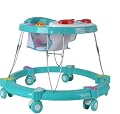
PRODUCT REVIEW
Best Baby Walkers in India 2026
Find the best baby walker in India 2026. Compare LuvLap, R for Rabbit, Mee Mee with research-based reviews, prices, pros & cons.
 By Naveen Bhavnani
Updated
By Naveen Bhavnani
Updated
Medical disclaimer
This content is for educational purposes only and is not a substitute for professional medical advice, diagnosis, or treatment. Always consult a qualified healthcare provider before starting any supplement or making health decisions. For pediatric concerns, consult your child's paediatrician.
As an Amazon Associate we earn from qualifying purchases. We could also earn a fee through some links when you click on them.
Baby walker picks for every budget
Already covered the winner above — here are the picks for specific needs.
Mee Mee 360° Baby Activity Walker

Baby walker features compared
How the shortlist stacks up. Scroll sideways on mobile.
| WWCD Score | Product | Key Feature | Price | Deal |
|---|---|---|---|---|
| 9.0/10 | R for Rabbit Little Feet Plus | ISI Certified | ₹2,596 | Check Price |
| 9.0/10 | Baybee 3-in-1 Awry | 3-in-1 Versatility | ₹3,499 | Check Price |
| 8.8/10 | Mee Mee 360° Activity | Parental Handle | ₹2,149 | Check Price |
| 8.6/10 | LuvLap 360° Joy | 5-Level Seat Adjust | ₹1,598 | Check Price |
| 8.6/10 | StarAndDaisy 360° | 7-Level Height | ₹1,649 | Check Price |
| 8.4/10 | Lifelong Cuppy 3-in-1 | Parental Handle | ₹1,499 | Check Price |
| 8.2/10 | Storio 360° Baby Walker | Battery-Free | ₹1,149 | Check Price |
| 8.0/10 | Maanit Musical 3-in-1 | Most Affordable | ₹899 | Check Price |
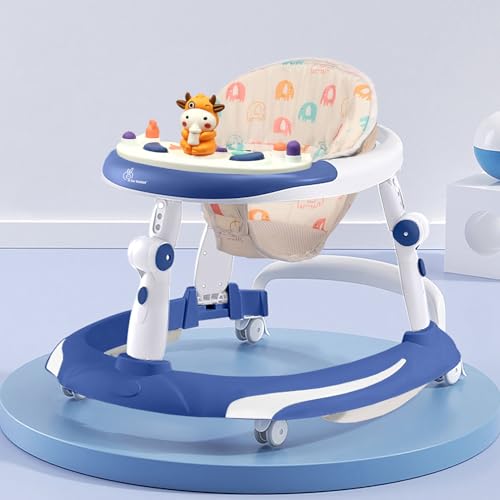


Baby walker reviews: safety, height and toys
Specs, the honest pros and cons, and who each one is for.
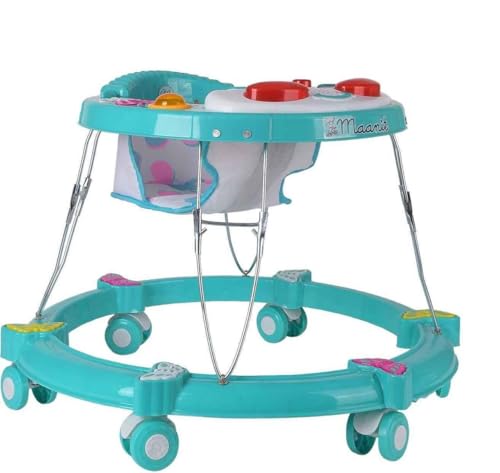
Maanit Musical 3-in-1 Baby Walker
- Age Range
- 6-24 Months
- Design
- Butterfly Theme
- Wheels
- 6 x 360° Rotation
- Features
- Musical + Activity
- Foldable
- Yes
- Seat Cover
- Removable
The Maanit Musical 3-in-1 is the most affordable multi-function walker at just ₹899, offering walker, music station, and activity center modes. The charming butterfly design with soft cushioned seat appeals to babies while providing comfortable support. Despite the budget pricing, it includes essentials like 360° rotating wheels, foldable frame for travel, and removable wipeable seat cover. Lightweight construction makes it easy to move between rooms.
- + Most affordable 3-in-1 walker
- + butterfly design appeals to babies
- + decent build quality for budget
- + foldable for travel
- + easy to clean seat cover
- + smooth wheels
- - No customer reviews yet (new product)
- - basic features compared to premium
- - musical toys quality unknown
- - limited height adjustment
- - may lack durability of established brands
Storio 360° Baby Walker
- Age Range
- 6-18 Months
- Height Adjust
- 3 Levels
- Wheels
- 6 x 5cm Large
- Features
- Non-Musical
- Dining Tray
- Included
- Weight Limit
- 20 kg
The Storio 360° Walker is a battery-free alternative perfect for parents who prefer no musical distractions. The included food dining tray makes it double as a feeding station, and the large 5cm wheels provide exceptional stability on various floor types. Folds completely flat for storage and supports up to 20 kg weight capacity. Lightweight design assembles in under one minute without tools.
- + Battery-free design (no music)
- + convertible food tray
- + large wheels for smooth movement
- + folds flat for storage
- + suitable 6-18 months
- + good weight capacity
- - No musical toys (some babies prefer entertainment)
- - new brand with limited reviews
- - basic features
- - may lack cushioning of premium models
Lifelong Cuppy 3-in-1 Baby Walker
- Age Range
- 6-24 Months
- Modes
- Walker/Rocker/Stride
- Height Adjust
- 3 Levels
- Musical Toys
- Detachable Piano
- Parental Handle
- Included
- Feeding Tray
- Included
The Lifelong Cuppy offers maximum versatility with 3-in-1 functionality - converting between walker, rocker, and stride walker modes. The parental push handle provides control for guiding younger babies, while detachable musical piano and rattles keep them entertained. Trusted Lifelong brand quality with padded seat comfort and feeding tray functionality. The rocker mode extends usability beyond the walking phase, making it a long-term investment.
- + Trusted Lifelong brand
- + 3-in-1 versatility extends usage
- + parental handle very useful
- + detachable musical toys
- + converts to rocker
- + good value at price point
- - Newer entry in baby walker market
- - limited customer feedback available
- - durability untested long-term
- - music quality may be basic
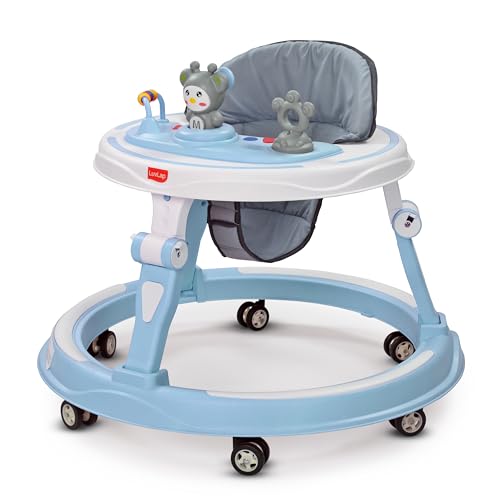
LuvLap 360° Joy Baby Walker
- Age Range
- 6-18 Months
- Height Adjust
- 3 + 5 Levels
- Wheels
- 6 x 2 inch
- Features
- Musical + Lights
- Foldable
- Yes
- Tray Type
- Switchable
The LuvLap 360° Joy stands out with industry-leading 5-level seat adjustment plus 3-level frame height adjustment, giving you 8 total adjustment positions - more than any competitor. The switchable tray converts from musical play station with integrated lights to feeding tray in seconds. Trusted LuvLap brand quality with smooth 360° swivel seat lets babies explore freely while parents maintain peace of mind.
- + Excellent value for money
- + 5-level seat adjustment (most in class)
- + LuvLap trusted brand
- + engaging musical toys with lights
- + smooth 360° rotation
- + easy to clean removable seat
- - Some users report wheel quality issues
- - music volume not adjustable
- - wheels may scratch wooden floors
- - assembly instructions could be clearer
StarAndDaisy 360° Baby Walker
- Age Range
- 9+ Months
- Height Adjust
- 7 Levels Total
- Wheels
- 6 x Universal Smart
- Material
- BPA-Free PP Plastic
- Seat Fabric
- Oxford Breathable
- Tray Type
- Switchable
The StarAndDaisy walker features industry-leading 7-level height adjustment (3 frame + 4 seat positions) to prevent bow-legging and ensure proper fit as baby grows. Made with BPA-free PP plastic for safety, paired with breathable Oxford fabric cushion for comfort. The switchable tray converts between musical toy station and food tray. Large 2-inch universal smart wheels provide smooth multidirectional movement without getting stuck.
- + Best height adjustment options (7 levels)
- + BPA-free safe materials
- + breathable Oxford fabric seat
- + good build quality
- + switchable tray design
- + smooth universal wheels
- - Lesser-known brand compared to LuvLap/Mee Mee
- - limited customer reviews
- - price slightly higher than LuvLap
- - long-term durability unknown
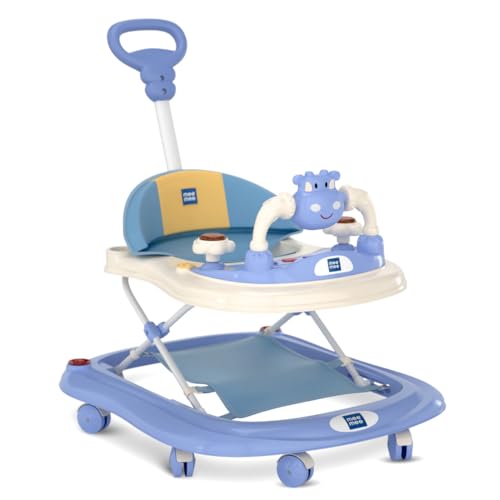
Mee Mee 360° Baby Activity Walker
- Age Range
- 6-18 Months
- Height Adjust
- 3 Levels
- Safety
- Anti-Rollover
- Parental Handle
- Included
- Material
- Premium Metal/Plastic
- Weight Limit
- 15 kg
The Mee Mee 360° Activity Walker combines trusted brand quality with parental control features. The long push handle allows parents to guide toddlers safely, while the anti-rollover round design prevents falls. Conforms to international safety standards with premium quality metal and plastic construction. The detachable electronic toys tray with cheerful music keeps babies entertained, and doubles as a feeding section. Durable metal frame ensures long-lasting usage.
- + Trusted Mee Mee brand
- + parental push handle very useful
- + durable metal frame construction
- + excellent customer reviews history
- + widely available replacement parts
- + anti-rollover safety design
- - Some reports of seat stitching issues
- - wheels slightly noisy on tiles
- - seat padding thinner than R for Rabbit
- - plastic quality could be better in some batches
R for Rabbit Little Feet Plus Baby Walker
- Age Range
- 6-18 Months
- Certification
- ISI Certified
- Modes
- 2-in-1 Walker/Rocker
- Height Adjust
- 3 + 4 Levels
- Folding
- One-Button
- Weight Limit
- 15 kg
The R for Rabbit Little Feet Plus is ISI certified for complete safety, ensuring it meets rigorous Indian safety standards. The 2-in-1 walker-cum-rocker design transforms with a horse base attachment for rocking mode entertainment. Premium build quality with 7 total adjustment levels (3 height + 4 seat) ensures perfect fit throughout growth stages. One-button folding mechanism makes storage effortless. Detachable toy bar with music, lights, and meal tray conversion provides versatility.
- + ISI safety certification
- + premium build quality
- + 2-in-1 walker/rocker versatility
- + excellent adjustability (7 levels total)
- + strong customer support network
- + easy one-button folding
- - Premium pricing
- - music system quality inconsistent in some units
- - slightly heavier than competitors
- - limited color options available
Baybee 3-in-1 Awry Baby Walker
- Age Range
- 6-18 Months
- Modes
- 3-in-1 + Rocker
- Safety Base
- U-Shaped Design
- Height Adjust
- 3 Levels
- Parental Handle
- Included
- Weight Limit
- 15 kg
The Baybee 3-in-1 Awry offers maximum versatility as a seated walker, push walker, stroller, AND rocker - four modes in one product. The innovative U-shaped safety base design prevents foot injuries while ensuring stability. Trusted Baybee brand with 15+ years in India provides peace of mind. The well-padded washable seat ensures comfort, while the musical toy bar with rattles keeps babies engaged. Parental push handle offers full control for guided walking practice.
- + Maximum versatility (3-in-1 plus rocker)
- + trusted Baybee brand (15+ years)
- + U-shaped safety base prevents foot injuries
- + well-padded washable seat
- + parental handle for guidance
- + attractive color options
- - Most expensive option
- - assembly can be time-consuming
- - music batteries not included
- - may be overkill for basic walker needs
Which baby walker to buy
Here is who each pick is for, based on the comparison above.
Maanit Musical 3-in-1 Baby Walker · ₹899
Most affordable with butterfly design
Check Price on Amazon →LuvLap 360° Joy Baby Walker · ₹1,598
5-level seat adjustment, lights
Check Price on Amazon →Mee Mee 360° Baby Activity Walker · ₹2,149
Parental handle, anti-rollover
Check Price on Amazon →Baybee 3-in-1 Awry Baby Walker · ₹3,499
Walker, stroller, rocker mode
Check Price on Amazon →See what is worth buying at each stage, which baby gear can safely wait, and our picks for high chairs and strollers.
See what to buy at each stage →How to choose a baby walker
-
Safety Features to Prioritize
Look for ISI or EN 71 certification confirming European safety standards. Essential features include wide base design (prevents tipping), anti-skid stoppers (prevents rolling on slopes), safety locks on height adjustments, and rounded edges without sharp corners. Ensure wheel grip strips for controlled movement and avoid walkers with gaps where fingers can get pinched. -
Age and Weight Appropriateness
Baby walkers are suitable from 6-8 months when baby can sit unassisted with good head control. Most walkers support up to 15 kg weight (approximately 18-24 months). Never use walkers before baby demonstrates sitting balance. 2-in-1 convertible models extend usability to 24+ months by transforming into push walkers. -
Height Adjustment System
Three-level height adjustment is standard and essential as babies grow quickly. Test that height locks engage securely with audible click. Measure from seat to floor: should allow baby's feet to touch ground flatly, not just toes. Adjustability range typically covers 6-18 months with proper fit throughout. -
Walker Type Comparison
Traditional seated walkers (LuvLap, Mee Mee) offer 360° movement and musical trays - best for early mobility. 2-in-1 convertible walkers (R for Rabbit, Baybee) transform into rockers or push walkers for extended use. 3-in-1 models (Maanit, Lifelong) add extra versatility with multiple modes for growing babies. -
Musical Toy Quality
Musical toy bars provide entertainment and sensory development. Check for adjustable volume control, variety of sounds (music, animal sounds, lights), and removable toys for cleaning. Detachable toy trays convert to food trays for snacks. Battery accessibility matters - ensure easy battery compartment access for replacements. -
Portability and Storage
Foldable walkers essential for Indian homes with limited space. Best models fold flat to 4-6 inches height. Check folding mechanism simplicity - should be one-handed operation. Consider weight (typically 3-5 kg) for moving between rooms. Lightweight designs better for traveling to relatives' homes. -
Floor Compatibility
Wheel material determines floor compatibility. Rubber/silicone wheels prevent scratching marble and wooden floors. Hard plastic wheels may scratch but offer smoother movement. Anti-skid pads crucial for tile and marble surfaces common in Indian homes. Test walker on your actual flooring type before purchase. -
Maintenance and Cleaning
Removable and washable seat fabric mandatory for hygiene. Machine-washable covers save time. Check for food tray or detachable toy tray that wipes clean easily. Simple assembly with minimal screws reduces maintenance hassles. Verify replacement part availability (wheels, seats, toy trays) before buying.
Frequently asked questions
What is the best baby walkers in India?
At what age can babies start using walkers?
Are baby walkers safe, or do they delay walking development?
How do I choose the right walker height to prevent bow legs?
Which is better: musical walkers or non-musical walkers?
Do I need ISI certification for baby walkers?
Will walker wheels scratch my marble or wooden floors?
Is a parental push handle necessary, or just a nice-to-have?
How do I clean and maintain a baby walker?
Should I buy a budget walker (₹900-1,500) or invest in premium (₹2,500+)?
Can walkers be used outdoors on uneven surfaces?
You may also like
More guides and reviews to help you decide.
The 10 best baby cribs and cots in India 2026 compared — Growgether APEX 4-in-1 (WWCD winner, EN 716 certified), CAREIT 6-in-1 bedside cot.
Read more →Compare 6 best baby mattresses in India from ₹2,200 to ₹7,829. Firm coir, latex and foam picks for newborn cots, with GOLS and Oeko-Tex certification checked.
Read more →Find the best baby thermometer in India 2026. Compare Braun & more with research-based reviews, prices & pros and cons.
Read more →Find the best baby swing in India 2026. Research-based reviews with detailed comparisons, prices, pros & cons to help you pick the right one.
Read more →9 best breast pumps in India 2026 compared — Philips Avent SCF531 (WWCD winner), Roboson Evo Slim, Promom NEO, Look Mama, MISK MY-375, Infantso MELO & more.
Read more →7 best baby strollers in India 2026 compared from ₹5,219 to ₹22,540 — Maxi-Cosi Eva³ (WWCD winner), Joie Muze, Loopie Hop, R for Rabbit Regal.
Read more →