PRODUCT REVIEW
Best Lavalier Microphone Under 50000 in India 2026
Find the best lavalier microphone under 50000 in India 2026. Compare Sennheiser, DJI & more with research-based reviews, prices & pros and cons.
 By Naveen Bhavnani
Updated
By Naveen Bhavnani
Updated
As an Amazon Associate we earn from qualifying purchases. We could also earn a fee through some links when you click on them.

Lavalier mic picks for pro use
Already covered the winner above — here are the picks for specific needs.

Rode Wireless GO Gen 3 (Latest 2026)

Pro lavalier mics: price and specs
How the shortlist stacks up. Scroll sideways on mobile.
| WWCD Score | Product | Key Feature | Price | Deal |
|---|---|---|---|---|
| 9.5/10 | Rode Wireless GO Gen 3 | 32-bit float, 260m | ₹38,999 | Check Price |
| 9.0/10 | DJI Mic 2 (2TX + Case) | 32-bit, dual TX, 250m | ₹23,450 | Check Price |
| 8.8/10 | Rode Wireless GO II Single | 40hrs recording, 200m | ₹22,990 | Check Price |
| 8.4/10 | Saramonic Blink100 B2 | Dual channel, OLED | ₹22,450 | Check Price |
| 7.2/10 | Sennheiser XSW-D Lavalier | Sennheiser brand | ₹17,990 | Check Price |

Pro lavalier mic reviews: 32-bit float and range
Specs, the honest pros and cons, and who each one is for.
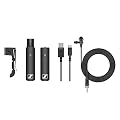
Sennheiser XSW-D Lavalier Set
- Transmission
- 2.4 GHz Digital
- Microphone
- ME2-II Lavalier
- Battery Life
- 5hrs (new)
- Range
- ~75m
- Internal Recording
- No
- Warranty
- 1 Year
The Sennheiser XSW-D carries the trusted Sennheiser brand reputation for audio quality and delivers excellent sound when working properly. The plug-and-play 2.4 GHz system is incredibly easy to set up with automatic frequency management. The ME2-II omnidirectional lavalier mic provides natural vocal reproduction. At ₹17,990, it's the most affordable entry point into wireless lavalier systems from a premium brand.
- + Trusted Sennheiser brand
- + plug-and-play ease of use
- + good audio quality when working
- + compact design
- + automatic frequency management
- + affordable entry price
- - CRITICAL: Battery degradation after 3-6 months
- - non-replaceable batteries
- - battery life drops to 20-30 minutes
- - poor warranty service response
- - no OLED display
Saramonic Blink100 B2 Dual Channel
- Channels
- Dual (2 TX)
- Display
- OLED on TX
- Battery Life
- 10 hours
- Range
- 164ft (50m)
- Noise Cancel
- Active (selectable)
- Gain Control
- 12-step
The Saramonic Blink100 B2 delivers exceptional value for dual-channel work. With two transmitters included, it's perfect for interviews, podcasts, or multi-person shoots. The OLED display on each transmitter provides real-time monitoring of battery, signal strength, and audio levels - a feature typically reserved for premium systems. Selectable active noise cancellation cleans up background noise, and the 10-hour battery life handles full-day shoots without stress.
- + OLED display for monitoring
- + dual-channel for interviews
- + active noise cancellation
- + excellent 10-hour battery
- + furry windscreens included
- + versatile output cables (TRS & TRRS)
- + good value for dual-channel
- - Shorter range than premium options
- - no internal recording backup
- - brand less known in India
- - build quality not premium-tier
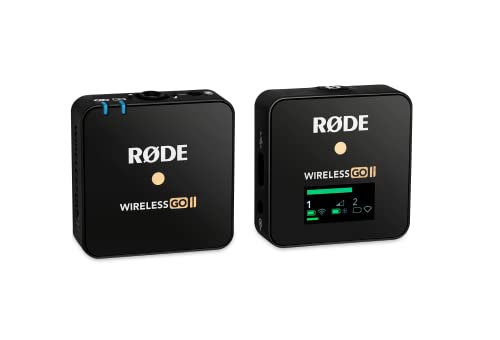
Rode Wireless GO II Single Channel
- Recording
- 40+ hrs internal
- Transmission
- Series IV 2.4GHz
- Range
- 200m LOS
- Battery Life
- 7 hours
- Encryption
- 128-bit
- App Control
- Rode Central
The Rode Wireless GO II is the industry standard for professional solo content creators. What sets it apart is the 40+ hours of internal recording on the transmitter - if wireless transmission fails, you still have pristine audio recorded at the source. The Series IV 2.4GHz transmission with 128-bit encryption provides rock-solid reliability up to 200m. Rode's reputation for quality and durability makes this a safe long-term investment.
- + Industry-standard Rode quality
- + 40+ hours internal recording backup
- + excellent 200m range
- + compact and lightweight
- + reliable 2.4GHz transmission
- + perfect for solo content creators
- + proven track record
- - Single channel only (one transmitter)
- - no 32-bit float
- - higher price than Saramonic
- - no OLED display on transmitter
DJI Mic 2 (2TX + 1RX + Charging Case)
- Recording
- 32-bit float (14hrs)
- Channels
- Dual (2 TX)
- Range
- 250m (820ft)
- Battery
- 18hrs w/ case
- Noise Cancel
- Intelligent AI
- Adapters
- USB-C, Lightning
The DJI Mic 2 delivers flagship features at mid-range pricing. The game-changer is 32-bit float internal recording - audio that's too loud or too quiet can be perfectly recovered in post-production, eliminating clipping forever. With dual transmitters, intelligent noise cancelling, and best-in-class 250m range, this system punches far above its ₹23,450 price point. The charging case provides 18 hours total battery and makes the system incredibly portable.
- + 32-bit float prevents clipping
- + best-in-class 250m range
- + dual transmitters for interviews
- + intelligent noise cancelling
- + charging case for portability
- + 18 hours total battery
- + ready-to-use pre-linked
- - DJI brand new to audio market
- - slightly bulkier than competitors
- - limited third-party accessory ecosystem
Rode Wireless GO Gen 3 (Latest 2026)
- Recording
- 32-bit float (40hrs)
- Transmission
- Series IV 2.4GHz
- Range
- 260m+ LOS
- GainAssist
- Intelligent Auto
- Safety Channel
- Backup -20dB
- Released
- 2026 (Latest)
The Rode Wireless GO Gen 3 represents the pinnacle of wireless lavalier technology in 2026. Combining Rode's legendary audio quality with cutting-edge features, it offers 32-bit float on-board recording (40+ hours) and intelligent GainAssist that automatically adjusts levels for perfect audio. The Series IV 2.4GHz transmission delivers best-in-class 260m+ range. The safety channel records a backup track at -20dB, ensuring you never lose audio even if the main track clips. Universal compatibility (USB-C, Lightning, 3.5mm) works with every device.
- + Latest 2026 technology
- + 32-bit float audio recovery
- + intelligent auto-gain
- + best wireless range (260m+)
- + universal device compatibility
- + premium build quality
- + Rode reliability
- + charging hub convenience
- - Premium price point
- - single channel (one transmitter)
- - overkill for casual users
Which pro lavalier mic to buy
Here is who each pick is for, based on the comparison above.
Rode Wireless GO Gen 3 (Latest 2026) · ₹38,999
32-bit float, 260m+ range, 2026
Check Price on Amazon →DJI Mic 2 (2TX + 1RX + Charging Case) · ₹23,450
32-bit, 2TX, 250m, case
Check Price on Amazon →Rode Wireless GO II Single Channel · ₹22,990
40hrs recording, 200m range
Check Price on Amazon →Sennheiser XSW-D Lavalier Set · ₹17,990
Trusted brand, plug-and-play
Check Price on Amazon →Budget wired lavs beat any built-in camera mic, and USB mics suit desk podcasts. Compare both beside the rest of a creator kit.
Compare cheaper mic options →How to choose a pro lavalier mic
-
32-Bit Float Recording Explained
32-bit float recording (DJI Mic 2, Rode GO Gen 3) captures an incredibly wide dynamic range - from whispers to shouts - without clipping. Unlike traditional 16-bit or 24-bit, you can rescue audio that would normally be distorted. Essential for unpredictable environments like weddings, live events, or interviews where volume levels change rapidly. This professional feature was only in ₹1L+ equipment until 2024. -
Internal Recording vs Transmission Only
Internal recording (Rode GO II/Gen 3, DJI Mic 2) saves audio directly to transmitter memory as backup. If wireless transmission fails due to interference or distance, you still have clean audio recorded at source. Critical for professional work where retakes are impossible (weddings, live events). Transmission-only systems (Sennheiser XSW-D, Saramonic) rely solely on wireless signal - if it drops, audio is lost. -
Range Requirements by Use Case
YouTube/Vlogging: 10-20m range sufficient. Wedding Ceremonies: 100-200m needed for wide venue coverage. Outdoor Events/Sports: 200m+ essential. Rode GO Gen 3 (260m), DJI Mic 2 (250m), and Rode GO II (200m) excel for professional work. Saramonic (50m) and Sennheiser (75m estimated) suited for close-range indoor use only. -
Dual Channel vs Single Channel
Dual-channel (DJI Mic 2, Saramonic Blink100 B2) includes 2 transmitters - perfect for interviews, panels, or multi-person shoots. Single-channel (Rode GO II/Gen 3, Sennheiser XSW-D) has 1 transmitter - ideal for solo presenters, vloggers, or single-subject filming. Consider your typical shooting scenarios: interviews need dual, solo content needs single. -
Battery Life Considerations
Long shoots require 7+ hour battery life. DJI Mic 2 leads with 18 hours total (with charging case). Saramonic offers 10 hours continuous. Rode GO II provides 7 hours per charge. CRITICAL: Sennheiser XSW-D battery degrades severely after 3-6 months of use (5 hours drops to 20-30 minutes), and batteries are non-replaceable. Always check battery replacement policy. -
Noise Cancellation Technologies
Intelligent noise cancelling (DJI Mic 2) uses AI to separate voice from background sounds - ideal for noisy environments like weddings or street interviews. Active noise cancellation (Saramonic) reduces constant background hum. Rode systems rely on superior capsule design and windscreens. For Indian weddings with loud music, intelligent noise cancelling is highly valuable. -
Professional vs Budget Considerations
Professional work (weddings, corporate videos, filmmaking): Invest in 32-bit float systems (Rode GO Gen 3 or DJI Mic 2) - the audio recovery capability pays for itself in one saved shoot. Content creators/YouTubers: Rode GO II or Saramonic B2 offer excellent value. Casual/hobby use: Even Sennheiser XSW-D works (despite battery issues) if you accept 6-month replacement cycle.
Frequently asked questions
What is the best lavalier microphones under 50000 in India?
What is 32-bit float recording and do I really need it?
Should I buy dual-channel (2 transmitters) or single-channel system?
What wireless range do I actually need for my use case?
Is internal recording backup really necessary or is it marketing hype?
Why does the Sennheiser XSW-D have battery issues? Can I fix it?
Rode GO II vs Rode GO Gen 3 - is the Gen 3 worth ₹16,000 more?
Will these wireless mics work with my iPhone/Android/camera?
How important is intelligent noise cancelling for Indian wedding videography?
Can I use these lavalier mics for live streaming and online teaching?
What accessories do I need to buy separately for these systems?
You may also like
More guides and reviews to help you decide.
Find the best lavalier microphone under 15000 in India 2026. Compare Noise, DJI & more with research-based reviews, prices & pros and cons.
Read more →Find the best lavalier microphone under 5000 in India 2026. Compare Sennheiser & more with research-based reviews, prices & pros and cons.
Read more →Find the best usb microphone for podcasting in India 2026. Research-based reviews with detailed comparisons, prices, pros & cons to help you pick the right one.
Read more →Find the best karaoke microphone for home in India 2026. Compare JBL, Shure, CLAW, Portronics & boAt with research-based reviews, prices, pros & cons.
Read more →The best ring lights in India for 2026, from 18-inch studio kits to budget, RGB and overhead picks — with prices, review-based reliability and who each suits.
Read more →Best action cameras under ₹20,000 in India 2026 compared — MyFitSpark Eagle i15, SJCAM C300, IZI ONE Plus & icefox tested for real 4K, gyro stabilisation.
Read more →