
PRODUCT REVIEW
Best USB Microphone in India 2026
Find the best usb microphone for podcasting in India 2026. Research-based reviews with detailed comparisons, prices, pros & cons to help you pick the right one.
 By Naveen Bhavnani
Updated
By Naveen Bhavnani
Updated
As an Amazon Associate we earn from qualifying purchases. We could also earn a fee through some links when you click on them.

USB mic picks by creator type
Already covered the winner above — here are the picks for specific needs.

Audio-Technica AT2020USB+ Condenser Microphone

Elgato Wave:3 Premium USB Microphone

Maono AU-A04 Condenser Microphone Kit

USB mic specs and prices compared
How the shortlist stacks up. Scroll sideways on mobile.
| WWCD Score | Product | Key Feature | Price | Deal |
|---|---|---|---|---|
| 9.6/10 | Shure MV7+ | Broadcast quality | ₹28,499 | Check Price |
| 9.5/10 | Rode NT-USB Mini | 24-bit, metal build | ₹11,359 | Check Price |
| 9.4/10 | Rode NT-USB+ | DSP processing | ₹19,058 | Check Price |
| 9.3/10 | Blue Yeti | 4 polar patterns | ₹9,495 | Check Price |
| 9.2/10 | Elgato Wave:3 | 24-bit/96kHz | ₹12,999 | Check Price |
| 9.1/10 | Audio-Technica AT2020USB+ | Studio heritage | ₹7,999 | Check Price |
| 8.8/10 | Maono AU-A04 | Complete kit | ₹3,789 | Check Price |
| 8.6/10 | Maono PD200X | USB/XLR dynamic | ₹4,189 | Check Price |
| 8.5/10 | HyperX SoloCast | Gaming brand | ₹3,499 | Check Price |
| 8.2/10 | Fifine A6V | RGB, budget | ₹2,650 | Check Price |



USB mic reviews: pickup pattern, sound and software
Specs, the honest pros and cons, and who each one is for.
Fifine A6V USB Gaming Microphone
- RGB
- 7 color modes
- Mute
- Quick button
- Pop Filter
- Built-in
- Shock Mount
- Included
- Compatibility
- PC, PS4, PS5
- Type
- Condenser
The Fifine A6V is the most affordable entry point into USB microphones. Its RGB lighting with 7 color modes appeals to gamers building colorful setups. The quick mute button on top is convenient during gaming streams. While the plastic construction feels budget, the included shock mount and pop filter mean you get everything needed to start. Audio quality is adequate for casual streaming - not studio-grade, but perfectly fine for Discord and beginner YouTube videos.
- + Most affordable entry-level option
- + RGB lighting appeals to gamers
- + quick mute is convenient
- + complete kit with shock mount
- + good for beginners
- + console compatible
- - Plastic construction feels budget
- - audio quality not refined
- - RGB may distract in videos
- - no advanced features
- - limited upgrade potential
HyperX SoloCast USB Microphone
- Polar Pattern
- Cardioid
- Mute
- Tap-to-mute LED
- Mount
- Adjustable stand
- Certification
- Discord/TeamSpeak
- Compatibility
- PC, PS4, PS5, Mac
- Brand
- HyperX gaming
The HyperX SoloCast brings gaming brand quality to the budget USB mic market. Its standout feature is the tap-to-mute with LED indicator - tap the top of the mic, and the red LED shows your mute status at a glance. Discord and TeamSpeak certified ensures perfect compatibility with gaming communication. The compact design and clean audio make it popular with streamers transitioning from headset mics. HyperX's reliability means it just works.
- + HyperX gaming brand quality
- + tap-to-mute is intuitive
- + clean audio for gaming streams
- + excellent compatibility
- + compact design
- + reliable build
- - No gain control on mic
- - single polar pattern only
- - basic feature set
- - no software control
- - limited to cardioid pickup
Maono AU-A04 Condenser Microphone Kit
- Audio Quality
- 24-bit/192kHz
- Capsule
- 16mm condenser
- Boom Arm
- Included
- Shock Mount
- Included
- Pop Filter
- Included
- Polar Pattern
- Cardioid
The Maono AU-A04 is unbeatable value - a complete podcasting kit for the price of most standalone microphones. You get the mic, boom arm, shock mount, pop filter, and cables - everything needed to start podcasting immediately. At 24-bit audio, it outspecscondenser competitors costing twice as much. The boom arm saves desk space and the shock mount isolates from keyboard noise. Users report using it for 5+ years recording songs on Spotify, proving its durability.
- + Complete kit with boom arm
- + 24-bit audio at budget price
- + excellent value for beginners
- + boom arm saves desk space
- + proven track record
- + works with consoles
- - Plastic construction
- - included boom arm is basic quality
- - sound not as refined as premium options
- - some handling noise
- - no software features
Maono PD200X USB/XLR Dynamic Microphone
- Outputs
- USB + XLR
- Type
- Dynamic
- Audio Quality
- 24-bit/48kHz
- Monitoring
- Headphone jack
- RGB
- Touch control
- Polar Pattern
- Cardioid
The Maono PD200X is a budget-friendly hybrid with both USB and XLR outputs. Its dynamic capsule naturally rejects background noise - perfect for untreated rooms with AC, traffic, or roommates. Start with USB, then later upgrade to professional audio interfaces via XLR without replacing the mic. The RGB lighting with touch control adds gaming flair. At this price point, dual outputs are rare - this offers a genuine upgrade path.
- + Dual USB/XLR for upgrade path
- + dynamic design rejects background noise
- + great for untreated rooms
- + affordable hybrid option
- + RGB touch control is unique
- - Requires close mic technique
- - less sensitive than condensers
- - RGB may not appeal to professionals
- - basic included accessories
Audio-Technica AT2020USB+ Condenser Microphone
- Diaphragm
- 16mm large
- Audio Quality
- 16-bit/44.1kHz
- Design
- Side-address
- Headphone Out
- With volume
- Mix Control
- Mic/playback blend
- Construction
- Metal housing
Based on the legendary AT2020 studio microphone, this USB version brings Audio-Technica's professional heritage to plug-and-play convenience. The 16mm large diaphragm captures more detail than smaller capsules, delivering natural, clear vocal reproduction that shines on both podcasts and music recordings. The mix control lets you blend microphone audio with playback - perfect for musicians recording with backing tracks. Audio-Technica's build quality ensures this mic lasts years.
- + Legendary Audio-Technica heritage
- + natural vocal reproduction
- + excellent for music recording
- + durable metal construction
- + trusted professional brand
- + mix control useful
- - No mute button
- - 16-bit vs 24-bit competitors
- - single polar pattern
- - no shock mount included
- - no software control
Blue Yeti USB Microphone
- Polar Patterns
- 4 modes
- Audio Quality
- 16-bit/48kHz
- Gain Control
- On-mic knob
- Mute Button
- Touch sensor
- Monitoring
- Zero-latency
- Colors
- Multiple options
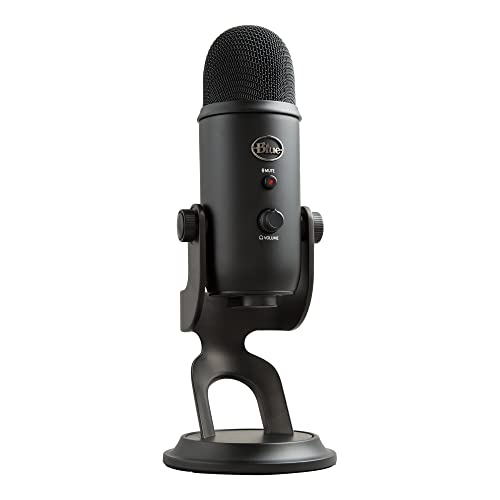
The Blue Yeti is the most iconic USB microphone in podcasting history. Its four polar patterns (cardioid, stereo, omnidirectional, bidirectional) make it incredibly versatile - perfect for solo shows, two-person interviews, roundtable discussions, or stereo music recording. The on-mic gain control and instant mute button provide essential live controls without touching software. While it's 16-bit vs newer 24-bit competitors, the audio quality remains excellent for podcasting and streaming.
- + Four pickup patterns for versatility
- + excellent for multi-person podcasts
- + easy gain control
- + mute button for live situations
- + iconic reliable design
- + huge user base
- - Large and heavy
- - picks up desk vibrations easily
- - 16-bit audio (not 24-bit)
- - can be boomy without treatment
- - bulky footprint
Rode NT-USB Mini Studio Microphone
- Audio Quality
- 24-bit/48kHz
- Polar Pattern
- Cardioid
- Construction
- All-metal
- Pop Filter
- Integrated
- Mount
- 360° swing
- Software
- Rode Connect
The Rode NT-USB Mini is our Editor's Choice for good reason. Its all-metal construction sets it apart from plastic competitors at this price point. The integrated pop filter eliminates the need for additional accessories, while the 360° swing mount makes positioning effortless. Rode Connect software allows multi-mic setups for podcast interviews. At 24-bit/48kHz, the audio quality rivals microphones costing twice as much, delivering broadcast-quality sound for professional podcasting.
- + Exceptional all-metal build quality
- + broadcast-quality audio
- + integrated pop filter
- + compact footprint
- + Rode Connect software for multi-mic
- + professional sound
- - Single polar pattern only
- - no gain control on mic
- - higher price point
- - requires proper positioning
Elgato Wave:3 Premium USB Microphone
- Audio Quality
- 24-bit/96kHz
- Clipguard
- Yes
- Mute
- Capacitive touch
- Wave Link
- Full mixer
- Polar Pattern
- Cardioid
- Construction
- Premium plastic
The Elgato Wave:3 is engineered specifically for streamers and content creators. Its killer feature is Wave Link software - a complete digital mixing console that routes Discord, game audio, music, and your mic to separate tracks. Clipguard technology automatically prevents audio distortion when you unexpectedly shout during gaming. At 24-bit/96kHz, it delivers broadcast-quality audio that rivals professional setups. The capacitive mute sensor is elegant and intuitive.
- + Best-in-class Wave Link software
- + Clipguard prevents distortion
- + 24-bit/96kHz professional quality
- + excellent for streamers
- + compact premium design
- + touch mute
- - Premium pricing
- - plastic construction
- - requires learning Wave Link
- - single polar pattern
- - not ideal for multi-person recording
Rode NT-USB+ Premium Condenser Microphone
- Audio Quality
- 24-bit/48kHz
- Capsule
- Studio-grade
- DSP
- Advanced processing
- APHEX
- Yes
- Construction
- All-metal
- Software
- Rode Connect
The Rode NT-USB+ is a professional broadcast microphone with advanced DSP processing built-in. APHEX audio processing (legendary studio processors) enhances vocal clarity and presence in real-time. The studio-grade condenser capsule delivers pristine, broadcast-quality audio that rivals microphones costing much more. All-metal construction ensures decades of reliability. Rode Connect software enables multi-mic podcast setups. This is a serious tool for serious podcasters.
- + Professional broadcast quality
- + advanced DSP processing
- + APHEX audio enhancement
- + superior build quality
- + Rode Connect multi-mic support
- + premium sound
- - High price point
- - overkill for beginners
- - requires quality audio chain
- - single polar pattern
- - investment-level pricing
Shure MV7+ Podcast Microphone
- Outputs
- USB-C + XLR
- Type
- Dynamic
- LED Panel
- Touch control
- Auto Level
- Yes
- Denoiser
- Real-time
- DSP
- Built-in
The Shure MV7+ represents the pinnacle of USB microphone technology. Its broadcast-quality dynamic capsule delivers the legendary Shure sound with superior noise rejection. The LED touch panel provides premium controls directly on the mic. Auto Level Mode automatically adjusts gain for consistent volume - perfect for podcasters who move while speaking. Real-time denoiser and built-in DSP processing mean studio-quality audio straight from the mic. This is Shure's legendary quality in USB form.
- + Ultimate broadcast quality
- + dynamic design rejects noise
- + LED touch panel is premium
- + Auto Level simplifies setup
- + dual USB-C/XLR
- + Shure legendary quality
- - Very high price
- - requires close mic technique
- - premium features may overwhelm beginners
- - investment-level purchase
Which USB microphone to buy
Here is who each pick is for, based on the comparison above.
Audio-Technica AT2020USB+ Condenser Microphone · ₹7,999
Studio heritage, natural vocals
Check Price on Amazon →Elgato Wave:3 Premium USB Microphone · ₹12,999
Wave Link, Clipguard, 24-bit/96kHz
Check Price on Amazon →Maono AU-A04 Condenser Microphone Kit · ₹3,789
Complete kit, boom arm, 24-bit
Check Price on Amazon →HyperX SoloCast USB Microphone · ₹3,499
Gaming brand, tap-to-mute, clean
Check Price on Amazon →Lavalier and wireless mic kits cover vlogs and interviews on the move, and a ring light or LED panel lifts video podcasts.
Compare lav mics and lighting →How to choose a USB microphone
-
Condenser vs Dynamic USB Microphones
Condenser mics (Blue Yeti, Rode NT-USB Mini) are more sensitive and capture detailed, nuanced audio - ideal for treated rooms and voiceover work. Dynamic mics (Maono PD200X, Shure MV7+) reject background noise better, making them forgiving in untreated spaces. For most home podcasters, condenser mics with cardioid patterns offer the best balance of quality and ease of use. -
Polar Patterns Explained
Cardioid: Captures sound from the front, rejects sides and rear - best for solo podcasting. Bidirectional: Front and rear pickup - perfect for two-person interviews across a desk. Omnidirectional: Captures sound equally from all directions - roundtable discussions. Stereo: Creates spatial recording. The Blue Yeti offers all four patterns, making it the most versatile choice. -
Bit Depth and Sample Rate Matter
24-bit audio (Elgato Wave:3, Maono AU-A04) captures more dynamic range than 16-bit (Blue Yeti), meaning quieter whispers and louder peaks are recorded with more detail. 48kHz sample rate is standard for podcasting. 96kHz (Wave:3) is overkill for voice but useful for music production. For podcasting, 24-bit/48kHz is the sweet spot for professional results. -
USB vs USB/XLR Hybrid
USB-only mics connect directly to computers - simple and convenient for beginners. USB/XLR hybrid mics (Maono PD200X, Shure MV7+) offer an upgrade path - start with USB, later connect to professional audio interfaces via XLR for better preamps and studio integration. If you anticipate upgrading your setup, hybrid mics are worth the investment. -
Software Features to Consider
Modern USB mics include companion software. Elgato Wave Link offers professional digital mixing with multi-source routing. Rode Connect allows multi-microphone podcast setups. Software-based features like Clipguard (prevents distortion) and Auto Level (Shure MV7+) can save podcasts from audio disasters. Consider whether you need these advanced features or prefer simple plug-and-play operation. -
What to Expect at Each Price Point
Under ₹5,000: Budget mics with complete kits (Fifine A6V, Maono AU-A04) - great for beginners testing podcasting. ₹7,000-12,000: Mid-range with premium features (Audio-Technica AT2020USB+, Blue Yeti, Rode NT-USB Mini) - serious content creators. ₹13,000-20,000: Professional features and software (Elgato Wave:3, Rode NT-USB+) - established podcasters. Above ₹25,000: Broadcast quality (Shure MV7+) - professional studios and top-tier productions.
Frequently asked questions
What is the best usb microphones podcasting in India?
Is a USB microphone good enough for professional podcasting?
Do I need a pop filter with USB microphones?
Can I use USB microphones on PlayStation or Xbox?
Why does my USB mic sound bad on Zoom/Teams?
Is 24-bit audio necessary for podcasting?
Should I buy USB-C or USB-A microphones?
Do I need a boom arm for my USB microphone?
Condenser or dynamic microphone for home podcasting?
Why is my USB microphone picking up keyboard and mouse noise?
Can I record two people with one USB microphone?
You may also like
More guides and reviews to help you decide.
Find the best lavalier microphone under 15000 in India 2026. Compare Noise, DJI & more with research-based reviews, prices & pros and cons.
Read more →Find the best lavalier microphone under 50000 in India 2026. Compare Sennheiser, DJI & more with research-based reviews, prices & pros and cons.
Read more →Find the best lavalier microphone under 5000 in India 2026. Compare Sennheiser & more with research-based reviews, prices & pros and cons.
Read more →Find the best karaoke microphone for home in India 2026. Compare JBL, Shure, CLAW, Portronics & boAt with research-based reviews, prices, pros & cons.
Read more →Best SD cards for cameras in India 2026 — SanDisk Extreme Pro, Lexar Silver PRO V60, V90 & budget picks compared on speed, video class, reliability and price.
Read more →The best ring lights in India for 2026, from 18-inch studio kits to budget, RGB and overhead picks — with prices, review-based reliability and who each suits.
Read more →